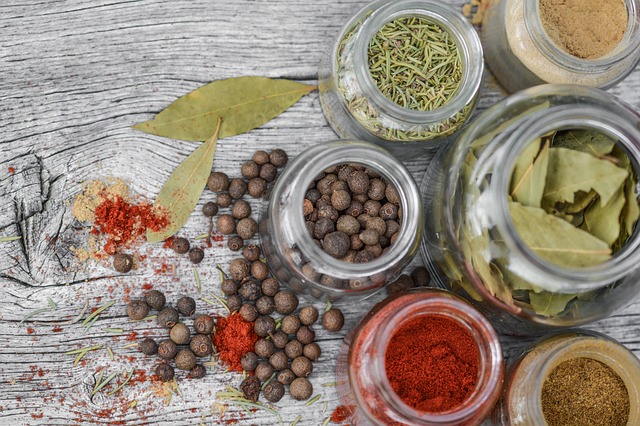
Here is a list of the most common spices and herbs with their Afrikaans, English and German names
Spices
| Afrikaans | English | German |
| Borrie | Turmeric | die Kurkuma |
| Komyn | Cumin | der Kreuzkümmel |
| Peper | Pepper | der Pfeffer |
| Neutmuskaat | Nutmeg | die Muskatnuss |
| Naeltjies | Clove | die Nelke |
| Wonderpeper | Allspice | der Piment |
Herbs
| Afrikaans | English | German |
| Pietersielie | Parsley | die Petersilie |
| Dille | Dill | der Dill |
| Roosmaryn | Rosemary | der Rosmarin |
| Lourierblare | Bay Leaf | der Lorbeer / das Lorbeerlatt |
| Salie | Sage | der Salbei |
| Tiemie | Thyme | der Thymian |
Other
| Afrikaans | English | German |
| Aromat | Aromat | Knorr Aromat is available in major grocery shops. It also comes in packets |
| Colemans Mostert Poeier | Colemans Mustard Powder | Available in major grocery shops |
| Bief/Hoender aftreksel | Beef/Chicken Stock | There is a variety of options available You can get it in the following: – Blocks called Brühwürfel – Liquid called Fond or Bouillion – Set liquid called Bouillon pastös – Powdered also called Bouillion see more here |
Related content

Meat
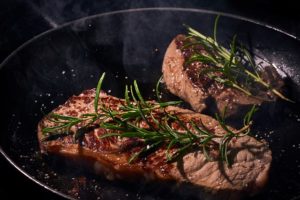
🇿🇦 Meat the Difference: A South African’s Guide to Buying Meat in Germany 🇩🇪 Looking for proper boerewors? Wondering why German Rindfleisch doesn’t taste quite like home? Or scratching your head at all the unfamiliar beef cuts? Get to know the difference between German and South African beef cuts, learn the right words at the butcher, and discover where to find quality meat that feels like home. German beef cuts German Cut English Equivalent Notes Rinderhals / Kamm / Nacken Chuck steak / Neck Good for stews and minced beef; flavourful but needs slow cooking. Querrippe Short ribs Rich and meaty; great for slow cooking or braising. Rinderbrust Brisket Ideal for corned beef, smoked brisket, or pot roast. Hochrippe / Fehlrippe Standing rib roast Tender and marbled; excellent for roasting or steaks. Vorderrippe Front rib section Leaner part before the rib-eye; good roasting cut. Flaches Roastbeef / Rostbraten Sirloin / Striploin Classic steak cut; tender and flavourful. Filet Fillet / Tenderloin Most tender muscle; minimal fat. Dünnung / Bauchlappen Flank steak Flat, lean, and full of flavour; slice across the grain. Falsches Filet / Schulter / Bug / Schaufel Shoulder / Chuck tender Good for biltong or stews; lean but firm texture. Oberschale Topside / Inside round Excellent for biltong; lean and uniform texture. Unterschale Silverside / Outside round Ideal for biltong; dries evenly and slices beautifully. Nuss Knuckle / Sirloin tip Lean and versatile; used for roasts or schnitzel. Hüfte / Hüftsteak Rump / Top sirloin Tender and tasty; good for grilling or roasting. Schwanzstück / Tafelspitz Rump tip / Tri-tip Austrian favourite; excellent for boiling or roasting, pricier cut. Hesse / Wade Beef shank / Shin Full of collagen; great for soups and slow-cooking. Fricandeau Lean roast (upper leg) Old-fashioned French term; overlaps with Nuss or Oberschale. Schwanz / Ochsenschwanz Oxtail Used for rich stews and soups; gelatinous and flavourful. Source: Wikipedia: Cut of beef 📄 Download the German Beef Cuts poster (PDF) Pork (Schweinefleisch) German Name English Name Description Schweinenacken Pork Neck Juicy, marbled, and full of flavour — ideal for slow roasting, pulled pork, or hearty chops. Schweineschulter / Schaufel Pork Shoulder Perfect for long, slow cooking, stews, or mincing for sausages. A robust and versatile cut. Schweinerücken / Schweinelende Pork Loin Lean, tender, and similar to a South African pork chop. Available bone-in or boneless. Schweinefilet / Schweinelende Pork Tenderloin / Fillet Extremely lean and delicate. Best for medallions or quick pan-frying to keep it juicy. Bauchfleisch Pork Belly Rich and full of flavour, used for streaky bacon, crackling, or slow-roasted belly. Schweinebauch mit Schwarte Pork Belly with Skin Skin-on cut, often rolled or flat — perfect for making crispy crackling or roasting joints. Haxe Pork Knuckle / Shank Eisbein (boiled, northern style) or Schweinshaxe (crispy roasted, Bavarian style) — a true German classic. Kotelett Pork Chop Traditional bone-in cut from the loin. Often served with a rim of fat for flavour and moisture. Oberschale Topside / Inside of Leg Lean and perfect for schnitzels, thin roasts, or tender escalopes. Unterschale Silverside / Bottom Round Lean and slightly firmer — ideal for roasts or curing into ham. Schweinerippchen Pork Ribs Meaty ribs perfect for slow cooking, smoking, or glazing with sticky BBQ sauce. Nuss Eye of the Leg / Knuckle Small, round, lean muscle — great for schnitzels or thinly sliced roasts. Lende Loin or Tenderloin Depending on the butcher, can mean either loin or tenderloin — clarify before purchasing. Kassler Cured / Smoked Pork Chop Lightly smoked and salted, typically from the loin or shoulder. Delicious with sauerkraut and potatoes. Speck Bacon / Cured Fat Cured, sometimes smoked, thick-cut pork fat. Used for frying, flavouring dishes, or as lardons. Where to buy meat Most people buy lamb at their local Turkish butcher, or at Italian Food stores that have a butchery.You can try Selgros or Metro (need a customer card) or support your local butchery for lamb and other meat cuts.Shops like Rewe and Edeka have their own butchery section, and if you want a specific cut you can pre-order it from them. You can also buy meat online. I found the following online shops, but have not personally used them so I can only add them as suggestions. Most of these also sell Venison Ihr Online Metzger Tellermitte Don Carne Gourmet Fleisch Otto Gourmet MeinMetzger Mein Bauernhof – direct from farmers in your region. Beef, Lamb, Veal, Chicken and Fish. Also milk, eggs and vegetables Waldgourmet (Venison) Grüne Bauern – Bio Meat delivered to your home. They also sell Lamb Waldfleisch – App to buy Regional Venison Vocabulary Here is a list of translations, along with some additional information about meat in Germany. Product Substitute & Translation Lamb Shank Die Lammhaxe. Lamb is less common in Germany and often milder than Karoo lamb. You’ll find imported New Zealand lamb (fresh or frozen) at larger supermarkets, Italian delis, or specialty butchers. Lidl occasionally stocks frozen lamb shanks, though availability is seasonal. Mince Das Hackfleisch. Available as Rinderhack (beef), Schweinehack (pork), or Gemischtes Hack (a mix). Ground lamb is rare but can be found in Turkish or Middle Eastern stores. Ribeye Steak Entrecôte or Rib-Eye-Steak. Occasionally labelled Scotch Fillet. Usually available at butcher counters, Metro, or larger Edeka stores. Cuts of Beef German butchers use different regional terms for cuts. South African and British cuts are closely aligned — consult comparison charts to match names correctly when ordering from a German butcher. Cuts Good for Biltong Silverside (Unterschale) or Topside (Oberschale) are the best options. Tafelspitz (rump tip) also works well but is leaner and typically pricier. Offal / Afval Die Innereien. Includes liver, kidneys, heart, tripe, and tongue. Usually pre-ordered from butchers. Caul Fat / Netvet Das Fettnetz or Netz vom Schwein. Ask at the butcher; often used for pâtés or meatballs. Kidneys Die Nieren. Beef and veal kidneys are more common than lamb; soak before cooking to mellow the flavour. Liver Die Leber. Widely available from pork, beef, or veal. Best when freshly sliced — look for

Substitutes – Drinks
Substitutes – Drinks Looking for Milo, Horlicks, Frisco, Ricoffy or Lime Cordial? We compiled a list of substitutes for some of the popular hot and cold drinks loved by South Africans Product Where to Buy / Notes Milo Most African and Asian Shops stock Milo. You can also buy it at online shops. Some suggest the Ovomaltine version as a substitute. Instant Coffee (Frisco / Ricoffy) Available at SA Shops in Germany. Also look out for Nestlé Ricoré Kaffee which is similar to Ricoffy. It’s available on Amazon. Black / Ceylon Tea (like Freshpak) Freshpak can be bought at SA Shops in Germany. Good substitutes are Tetley, PG Tips, or Teekanne Ostfriesen Tee Horlicks Available on Amazon or GreatBritishFood.de. A cheaper option is to look in Indian or Pakistani shops. Koffiehuis Pronto Bags You can buy similar coffee bags online. Coffeefair offers a wide variety. Rooibos Tea Sold in most German food stores, but many are flavoured. Look for “pur” (unflavoured) varieties. Health shops also stock Rooibos. Note: SA teabags are heavier (Freshpak 2.5 g vs. Teekanne 1.75 g). Loose tea can be found in a Tee Laden. Roses Lime Cordial / Other Syrups Available at Rewe, Edeka, or online (Amazon). Monin also makes syrups. Nesquik Chocolate Milk You can find the chocolate variety in most supermarkets. Many say Kaba tastes similar to the South African version. Stoney Ginger Beer Thomas Henry Spicy Ginger is a good alternative. Cream Soda Cream Soda is actually vanilla-flavoured. Try Waldmeister syrup with sparkling water for a similar taste. Also available online at SA Shops in Germany. Fanta Grape Tem’s Grape Soda is the closest match. Related content Where to buy South African products Facebook Twitter LinkedIn WhatsApp Email
Substitutes – Other Products
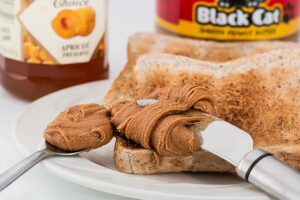
Here is a list of substitutes and translations for general food and kitchen items like cling film, maize meal, custard and biscuits Related content Where to buy South African products
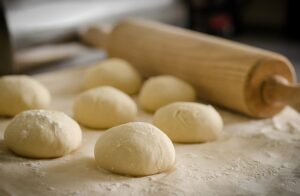
Frozen products
Frozen products Finding your favourite South African frozen products in Germany can be a bit like playing grocery store hide-and-seek This guide helps you decode supermarket shelves, discover the German names for your favourites, and find the closest substitutes when the real thing is nowhere to be found. No more guessing at labels or ending up with mystery dough – you’ll shop with confidence and cook with the flavours you love. Your go-to list for ready-made pastry products, complete with German translations so you know exactly what to look for. Related content Inspiration Facebook Twitter LinkedIn WhatsApp Email

Baking ingredients
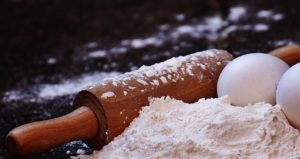
Baking ingredients For all of the passionate bakers out there! We have thoughtfully compiled a comprehensive list of alternative ingredient options that can be used for baking in Germany, along with their corresponding German translations. More information about Flour types Ash Protein US UK German ~0.4% ~9% pastry flour soft flour 405 ~0.55% ~11% all-purpose flour plain flour 550 ~0.8% ~14% high gluten flour strong or hard 812 ~1.1% ~15% first clear flour very strong or hard 1050 >1.5% ~13% white whole wheat wholemeal 1600 More information about Baking powder Single-acting baking powder reacts when it’s mixed with the liquid ingredient in a recipe. Because all the bubbles are produced immediately, it’s important to bake the recipe in a preheated oven as soon as it’s mixed. Similarly, over-mixing can drive off the bubbles, making the recipe fall flat. Contains only one acid Double-acting baking powder releases some carbon dioxide immediately and more upon heating. It’s double-acting in that it contains a fast-acting acid that reacts at room temperature and a slow-acting acid that reacts with heat. Most of the carbon dioxide gas is produced during cooking, so double-acting baking powder is more forgiving if a recipe isn’t baked immediately. Contains both fast- and slow-acting acids Substituting: Usually, you can substitute one type of baking powder for the other. So, if a recipe calls for 1 teaspoon of double-acting baking powder, you can use 1 teaspoon of single-acting baking powder (and vice versa).Exception!!If a recipe calls for double-acting baking powder because there is a time delay between mixing and baking, it’s not a good idea to use single-acting baking powder. Pancakes for example I found this info on the internet:To substitute 1 Tsp of Double Acting Baking Soda, use:1/4 teaspoon baking soda plus 1/2 teaspoon cream of tartar plus 1/4 teaspoon cornstarchOR 1 1/2 teaspoons single-action baking powderOR 1/4 teaspoon baking soda plus 1/2 cup (120 ml) buttermilk, sour milk or yoghurt to replace 1/2 cup (120 ml) non-acidic liquid German Name English Name What It Is Use in Baking Can It Be Substituted? Natron Bicarbonate of Soda / Baking Soda A pure alkaline (sodium bicarbonate) that requires acid to activate. Used to help baked goods rise when combined with an acidic ingredient (e.g., yogurt, lemon juice, vinegar, buttermilk). Also helps with browning. Not directly interchangeable with Backpulver. If a recipe calls for Natron and you only have Backpulver, adjust acid and quantity carefully. Rule of thumb: 1 tsp Natron = 3 tsp Backpulver (omit acid). Backpulver Baking Powder A complete leavening agent containing both an acid (like cream of tartar) and a base (bicarbonate of soda), plus a drying agent like starch. Used to make cakes and baked goods rise without needing extra acid in the recipe. Convenient all-in-one option. Can be homemade: 1 part Natron + 2 parts cream of tartar = baking powder. Example: 1 tsp Backpulver = 1/3 tsp Natron + 2/3 tsp cream of tartar. Reinweinstein / Weinsteinpulver Cream of Tartar An acidic byproduct of winemaking (potassium bitartrate). A white, powdery acid. Stabilises whipped egg whites, prevents sugar crystallisation in syrups and meringues, and can be used to make homemade baking powder. For egg whites, can substitute lemon juice or vinegar. For baking powder, combines with Natron to create leavening power. Related Content Facebook Twitter LinkedIn WhatsApp Email

Types of Sugars
Types of Sugar Moving to Germany comes with its quirks, and even something as simple as sugar can surprise you. The soft brown sugar you grew up baking with? Rare. The rock sugar in your tea? Completely new.This guide is your pantry translator — showing you exactly which German sugars match your South African favourites, what they’re called, and how to swap them in your recipes. From Puderzucker to Zuckerhut, you’ll find photos, conversions, and substitution tips so you can bake, preserve, and sweeten with confidence Image English & Afrikaans Name German Name Information & Uses Extra Notes Castor Sugar / Strooi Suiker der Streuzucker Feinster Backzucker. Finely ground granulated sugar, also called superfine sugar. Dissolves more easily than regular sugar, but is not as fine as icing sugar. Perfect for meringues, sponge cakes, and cocktails. It can be made by briefly blitzing granulated sugar. Weigh, don’t measure. Weigh, don’t measure: 1 cup caster sugar = 225 g, granulated sugar = 220 g. Icing Sugar / Versiersuiker der Puderzucker Extra-finely ground refined sugar, often with starch added to prevent clumping. Used for icing, dusting, and decorating. Store airtight to avoid clumping. Preserving Sugar der Gelierzucker Blend of sugar, pectin, and acid for jams, marmalades, and jellies. Comes in: 1:1 (equal fruit & sugar), 2:1 (less sweet), 3:1 (even less sweet). Not interchangeable with regular sugar in jams. Canning Sugar der Einmachzucker Coarser crystals that dissolve more slowly when boiled, producing less foam. Ideal for jams, compotes, and preserves. Available seasonally in German supermarkets, especially summer. Sugar Cubes der Würfelzucker Pressed granulated sugar cubes. Quick dissolving; portion control for drinks. Sugarloaf / Cone der Zuckerhut Sugar pressed into a tall cone. Traditional for Feuerzangenbowle Usually found in winter in larger supermarkets. Crystal Sugar der Hagelzucker Large coarse crystals for decorating baked goods. Stays crunchy after baking. Brown Sugar / Bruin Suiker Brauner Zucker General term; includes light, dark, raw cane, muscovado types. Muscovado is closest to SA dark brown sugar; you can mix white sugar with treacle as a substitute. Rock Sugar der Kandiszucker Large crystals from slow crystallisation. White or brown; used for tea, liqueurs, and preserves. White Tea Sugar / Tee Suiker der Weißer Teezucker Small crystals dissolve quickly in tea. Ideal for East Frisian tea culture. Different from Kandiszucker, which has larger crystals and dissolves more slowly. Brown Tea Sugar / Tee Suiker der braune Teezucker Similar to white tea sugar but with caramelised molasses coating. Best for black/spiced teas; adds caramel note. Crystallised Sugar Sticks / Suiker Stokkies die Kandissticks / Zuckerstangen Sugar crystals on sticks, white or brown. Used for sweetening hot drinks Individually wrapped for hygiene and perfect as gifts. Sugar Conversions & Substitutions Brown Sugar (Soft)Closest match in Germany: Muscovado-Zucker (for dark, unrefined, sticky, intense molasses flavour), Heller brauner Zucker (for light).If unavailable: Mix 200 g white sugar with 2–3 tsp Zuckerrübensirup (beet syrup) or treacle. Stir until evenly coated and slightly clumpy.Use for: Rusks, biscuits, BBQ sauces, sticky cakes. Raw Cane SugarClosest match: Rohrohrzucker.Coarser and less sticky than SA brown sugar, with a mild caramel note.Works in tea, coffee, and some baking, but won’t give the chewiness of soft brown sugar. Light Brown Sugar Closest match: Heller Brauner ZuckerSubtle molasses flavour, good for cookies and sauces. Dark Brown SugarClosest match: Dunkler brauner ZuckerStronger molasses taste, richer colour Castor SugarClosest match: Streuzucker or Feinster Backzucker.If unavailable: Blitz regular granulated sugar (Haushaltszucker) in a food processor for 5–10 seconds.1 cup caster sugar = 225 g. Preserving SugarClosest match: Gelierzucker (1:1, 2:1, 3:1 — see packaging).Not interchangeable with plain sugar in jam recipes — the pectin/acid mix is key. Pearl/Crystal SugarClosest match: Hagelzucker.Best for decoration — retains crunch after baking. Quick Tips for Tea & Coffee Lovers Looking for subtle sweetness? Go for Teezucker (white or brown) — quick dissolve, gentle flavour. Want that slow melt & crunchy moment? Reach for Kandiszucker or Kluntje — perfect for a traditional East Frisian experience. Need convenience? Grab a Zuckerstick for a clean, no-fuss portion — great in offices or cafés. Brown sugar lovers: Brauner Teezucker or brown Zuckersticks add a warm caramel note without the sticky mess of soft brown sugar. Related content


You must be logged in to post a comment.