
Skip to content

Health Insurance in Germany: A Guide for South Africans

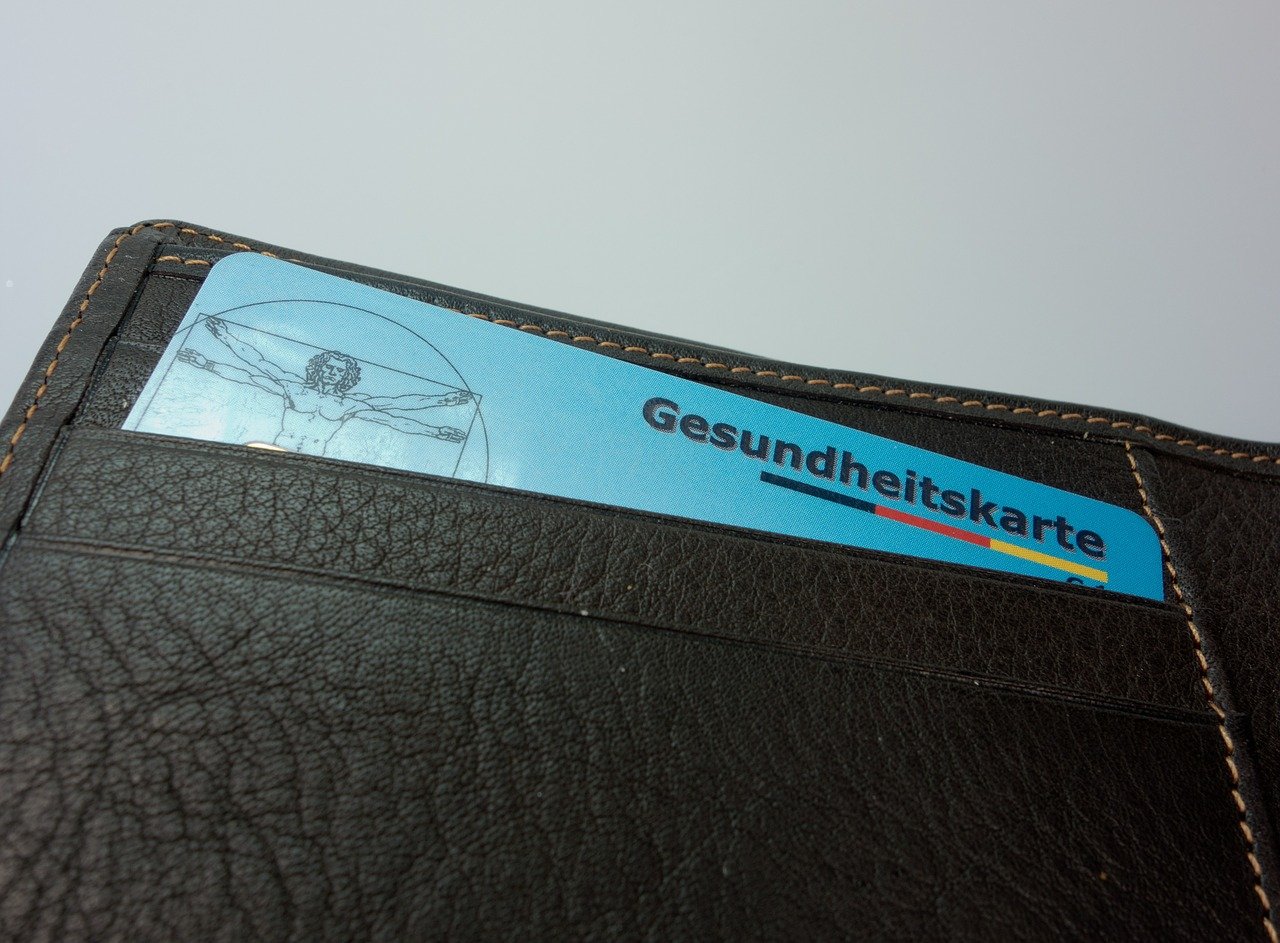
In Germany, health insurance (Krankenversicherung) isn’t a choice — it’s a legal requirement for every resident, and a prerequisite for obtaining your Aufenthaltstitel (residence permit).
Before you can truly settle in, this is one of the very first boxes you’ll need to tick.

When you earn less than the Versicherungspflichtgrenze, you must generally be insured under the public health system (GKV). When your gross income exceeds that threshold — €73,800 per year in 2025 — you gain the option to choose between public (GKV) and private (PKV) health insurance. ottonova+3GermanPedia+3ncbi.nlm.nih.gov+3

That choice depends on more than just income — your employment status, age, health, and future plans all matter.

It’s essential to dig into the fine print of whichever plan you select. Public insurance guarantees basic coverage, but some services — certain dental treatments, some specialist procedures, or private hospital rooms — may only be partly covered (or require additional extras).
Private plans often offer broader benefits but may bring higher premiums, co-payments, or restrictions (especially as you age).
Always check exactly what your plan covers: from dental and specialist visits to hospital stays and reimbursement rules, you don’t want surprises later.

Public Health Insurance (GKV)

Public health insurance is the most common option for residents in Germany. Your contributions are linked to your income.

Affordable premiums

Your contributions are based on your income (up to a certain limit), making it more affordable for those with lower incomes.
While the system is fair, the more you earn, the more you pay (up to a maximum threshold).

Comprehensive coverage

Public health insurance typically covers most basic medical treatments, hospital visits, and prescription medications. Basic dental coverage is generally included.

Family coverage

If your spouse and children do not have their own income or are low earners, they can be included in your insurance at no additional cost. 

Network of doctors and hospitals

 Most doctors and medical facilities in Germany accept public health insurance, giving you broad access to healthcare.

Longer waiting times

Public health insurance may come with longer waiting times for non-urgent treatments.

Limited choice of treatments

Some treatments or services may not be covered, or you may have to pay extra for more luxurious treatments or private rooms in hospitals.

Private Health Insurance (PKV)

Private health insurance offers a more tailored approach to healthcare. Instead of contributions being based on income, private insurance premiums depend on your age, health, and the level of coverage you choose.

Faster access to treatment

In many cases, private insurance offers shorter waiting times for appointments and treatments.

Enhanced coverage

You can choose additional benefits, such as private hospital rooms, more specialists, or alternative treatments.

Flexibility

You can choose from a range of plans that suit your needs, allowing for a more personalized healthcare experience.

Potential savings for younger, healthy individuals

If you’re young and healthy, private insurance can sometimes be more affordable than public insurance.

Higher premiums

Private health insurance can be more expensive, especially as you age or if you have pre-existing health conditions.

Family coverage costs extra

Unlike public insurance, private insurance does not offer free family coverage for low-income earners, meaning you must pay additional premiums for each family member.

Premiums can increase with age

While the premiums are often lower when you’re younger, they tend to increase as you get older, which can make it expensive in the long run.

Limited coverage if you leave

If you decide to leave private insurance or return to public insurance, it can be difficult to re-enter, especially if you are over 55.

Good to know

01

Switching from private to public insurance can be challenging while transitioning from public to private insurance is relatively straightforward.

02

Public insurance contributions are based on your salary, while private insurance premiums are determined by your risk profile, which includes factors like age and health. As you age, private insurance premiums tend to increase.

03

With private insurance, you usually pay upfront for medical expenses and then claim reimbursement. In contrast, with public insurance, your claims are automatically submitted and paid directly by the insurance provider.

04

Private health insurance is only available to certain groups, such as civil servants, self-employed individuals, students, and employees whose salary exceeds the annual income threshold (Beitragsbemessungsgrenze). In 2025, this threshold is €73.800 gross per year.

05

Many people with GKV choose to purchase supplementary dental insurance to cover the extra costs for things like higher-quality materials (e.g., ceramic crowns) or more extensive treatments like orthodontics.

Sozialversicherungsnummer

Your health insurance and social security are closely linked. Your Sozialversicherungsnummer (social security number) acts like your ID in the German social system, tracking your contributions to healthcare, pensions, and unemployment insurance. If you’re employed, your employer will handle the registration and link your number to your public health insurance. If you’re self-employed, your social security number may be requested when you sign up for private or public coverage. Either way, you won’t be able to get your Aufenthaltstitel (residence permit) without proof of health insurance, and your social security number ensures your contributions and benefits are correctly recorded.

Sozialversicherung / Social Insurance

The following Social Insurances are payable in Germany when you are a full-time employee or trainee: Krankenvesicherung / Medical Insurance Plegeversicherung / Long Term care insurance. Nursing or home care Rentenversicherung / Pension insurance Unfallversicherung / Accident insurance – Should you become ill due to your profession you will be supported by the statutory accident insurance scheme. This will, for example, continue to pay your wages.It also assumes the cost for a further training course

Resources on the web

  • An article from “How to Germany” about the different health insurance options
  • “Just Landed,” wrote an article about health insurance in Germany
  • PKV  – Der PKV-Verband vertritt die allgemeinen Interessen der Privaten Krankenversicherung, der Privaten Pflegeversicherung sowie seiner Mitgliedsunternehmen.

Top up medical cover

You can top up your medical cover for example Dentist cover.
You can read more about it on the How To Germany Site. There is also a good article (German) from Focus about Zusatzversicherung

Tourist or Temporary Health Cover

Tourist needs travel and medical insurance before they can apply for their visas.
Some of the options are your medical aid or a company like TIC.
Please be aware of the requirements from the Embassy, not all credit card cover is accepted.
When you need cover for 6 to 12 months, you can look at Klemmer.

Cover for freelancers

At the time of writing, the following companies provide health insurance options for freelancers in Germany.
In general, freelancers and self-employed individuals must take out private health insurance, unless they qualify as publicists or work in artistic professions, in which case public insurance through the Künstlersozialkasse (KSK) may be possible.

  • Cigna – International private health insurance provider
  • HanseMerkur – German insurer offering various private health plans
  • Dr. Walter /
    Provisit – Specialized insurance for freelancers, expats, and visa holders

Cover for students and Au Pairs

You’ll need valid medical insurance to cover the entire duration of your stay in Germany.
Reliable options include Klemmer and Dr. Walter, both experienced in providing coverage for expats, freelancers, and newcomers to Germany.

Comparative websites

The following websites allow you to compare different health insurance providers and plans in Germany.
Be sure to read the fine print carefully before signing up through comparison platforms, as terms and coverage can vary between insurers.

Medical insurance companies

If you’d like to explore the different health insurance providers in Germany, the following sites offer comprehensive lists of both public and private options:

  • Krankenkassen.de provides an overview of both public (GKV) and private (PKV) health insurance companies across Germany.
  • PKV lists all member companies of the Private Health Insurance Association (Verband der Privaten Krankenversicherung e.V.).

Advisors listed on this site

 If you are in need of assistance with your health insurance application, here is a list of competent and reliable professionals who are equipped to provide you with top-notch support throughout the entire process. You can rest easy knowing that these individuals are well-versed in all aspects of healthcare and have ample experience helping clients navigate the often confusing world of German health insurance. Don’t hesitate to reach out to any of the exceptional individuals on our list- they are more than happy to help you apply for the healthcare coverage you need!

Chad Joubert – Wealth Advisor

DIE GUTE WAHL – THE GOOD CHOICE – Agency for Allfinanz Deutsche Vermögensberatung. We are here for you, we provide you with professional support in your planning for the future: With the right concept, you are fully protected and can build your wealth step by step. Ask for an individual (no fee) consultation. We advise you competently and reliably, via online meetings. Click the link to get access to our Bookings page: Financial advice as

🇿🇦 Feeling a little homesick?

We’ve got a taste of home waiting for you.
From South African concerts to casual meetups across Germany—check out what’s happening near you.