
Skip to content

Driving in Germany

Germany is a beautiful country known for its scenic drive routes, bustling cities, and rich culture. If you are planning to own a car in this country or drive here, there are some important things that you need to know. Owning a car in Germany comes with many benefits, such as access to off-the-beaten-path destinations, great road infrastructure, and the opportunity to explore the country at your own pace.
However, it also requires you to navigate complex regulations, obtain the right documentation and insurance, and regularly maintain your vehicle.
Driving in this country is an experience that you will cherish for a lifetime, but it requires that you adhere to strict traffic laws, observe speed limits, and respect other drivers and pedestrians on the road. 

Car Insurance

A Guide to Vehicle Insurance in Germany: What You Need to Know Finding the best car insurance can be overwhelming, especially in a country known for its efficient roads and strict regulations. Choosing the right coverage for your vehicle is crucial. You cannot register your vehicle without having insurance. Types of Vehicle Insurance in German Germany offers three main types of vehicle insurance, each providing different levels of coverage: Haftpflichtversicherung Third-Party Liability Insurance This is the

Winter Tyres

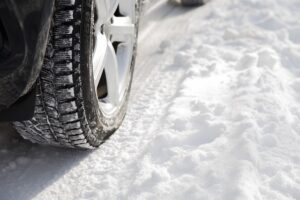
Winter Tyres Driving in Germany during winter can be hazardous due to conditions like black ice, snow, slush, and frost (Glatteis, Schneeglätte, Schneematsch, Eis- und Reifglätte). Since November 2010, German law requires drivers to use winter tyres in such conditions. This is known as the situational winter tyre requirement (Situative Winterreifenpflicht). In other words, it’s not tied to a specific date but to the actual weather and road conditions. The legal basis is found in

Safety on the Road – Wildlife

Safety on the Road – Wildlife Each year, Germany’s roads witness over 200,000 wildlife collisions, according to the German Hunting Association — most involving deer.Animals often cross roads in search of food, a mate during the rutting season, or simply as part of their daily range. When wild animals continue to use an area as part of their habitat despite the constant hum of traffic, this behavior is known as “grazing” — a quiet reminder

First aid kit

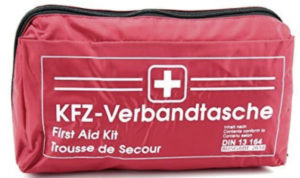
The traffic law in Germany stipulates that all drivers must carry a first aid kit (Verbandkasten) in their vehicle. The contents of your first aid kit must comply with the DIN 13164 standard. Motorcycles and tractors are exempt. Quad bikes are not.The current (2022) fine for not carrying a first aid kit is €10. The following items should be included as from 2014 1 adhesive plaster, DIN 13019-A, 5 m x 2.5 cm 4 adhesive
Registering a vehicle

Registering a vehicle in Germany Moving to Germany and bringing your vehicle along? Or perhaps you’re buying a car locally? Either way, navigating the vehicle registration process can seem daunting, especially in a new country. Here’s a comprehensive guide tailored for South Africans to help you register your vehicle in Germany smoothly. The basics In Germany, all vehicles must be officially registered with the appropriate authority in the area where the owner lives. This requirement

Road Rules

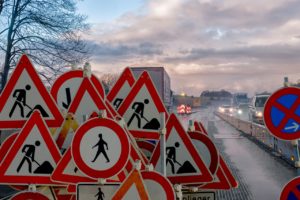
Road safety and Rules Driving on German roads is very well regulated, and if you don’t adhere to the rules, you will get penalty points against your name and hefty fines. Your licence can be suspended when you reach a certain number of points (currently 8). Ignorance of road rules is not an excuse. The ADAC (Allgemeiner Deutscher Automobil-Club) website has the following information:  a list of the Traffic signs – the descriptions are in German the
Driving and Driver’s licences

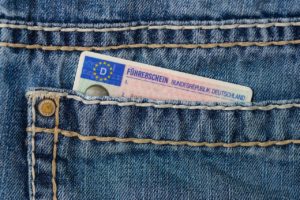
Your Guide to Driving Legally in Germany Visiting Germany: If you’re visiting for a short period, you’ll need an International Driving Permit (IDP) along with your valid South African driver’s licence. You can apply for the IDP at the Automobile Association of South Africa (AA). Staying Longer: For stays longer than six months, you can drive legally in Germany using your South African licence and your IDP for the first six months (185 days from the

Related content

Travel in the Schengen Area

Travel within the Schengen Area “The Schengen Area is a zone comprised of 29 European states which have officially abolished passports and other types of border control at their mutual borders. For visitors, it effectively means that the Schengen Area acts as a singular country, i.e. once you enter one Schengen country you have entered them all.”  See ETIAS Visa for more information.Not all EU countries are in Schengen, and some non-EU countries (like Norway and

Public transport in Germany

Public transport in Germany The German public transport system is extensive, reliable and very affordable. The Deutsche Bahn AG is the national railway company and is state-owned. The DB offers long distance, regional and local travel options.Here is a list of PDF Files with the route maps in German Long distance trains Long-distance trains offer fast and convenient connections between major cities. The following types of trains are available for long-distance travel: ICE – InterCity Express. These are high-speed

Travel to Germany – Tips

“Traveling to Germany is like stepping into a storybook, where history, culture, and breathtaking landscapes weave a tale you’ll never forget.” If you’re planning a trip to Germany, we’ve got some travel tips that we think you’ll find incredibly helpful.  If you’ve got your own tips to share, we’d love to hear them!  Simply submit them to us and we’ll be happy to include them on the page.  Direct Fligts The major airports in Germany are Frankfurt,

Facebook
Twitter
LinkedIn
WhatsApp
Email