Skip to content

🇿🇦 Meat the Difference: A South African’s Guide to Buying Meat in Germany 🇩🇪

Looking for proper boerewors? Wondering why German Rindfleisch doesn’t taste quite like home? Or scratching your head at all the unfamiliar beef cuts?

Get to know the difference between German and South African beef cuts, learn the right words at the butcher, and discover where to find quality meat that feels like home.

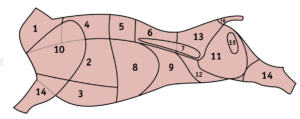
German beef cuts

German Cut English Equivalent Notes
Rinderhals / Kamm / Nacken Chuck steak / Neck Good for stews and minced beef; flavourful but needs slow cooking.
Querrippe Short ribs Rich and meaty; great for slow cooking or braising.
Rinderbrust Brisket Ideal for corned beef, smoked brisket, or pot roast.
Hochrippe / Fehlrippe Standing rib roast Tender and marbled; excellent for roasting or steaks.
Vorderrippe Front rib section Leaner part before the rib-eye; good roasting cut.
Flaches Roastbeef / Rostbraten Sirloin / Striploin Classic steak cut; tender and flavourful.
Filet Fillet / Tenderloin Most tender muscle; minimal fat.
Dünnung / Bauchlappen Flank steak Flat, lean, and full of flavour; slice across the grain.
Falsches Filet / Schulter / Bug / Schaufel Shoulder / Chuck tender Good for biltong or stews; lean but firm texture.
Oberschale Topside / Inside round Excellent for biltong; lean and uniform texture.
Unterschale Silverside / Outside round Ideal for biltong; dries evenly and slices beautifully.
Nuss Knuckle / Sirloin tip Lean and versatile; used for roasts or schnitzel.
Hüfte / Hüftsteak Rump / Top sirloin Tender and tasty; good for grilling or roasting.
Schwanzstück / Tafelspitz Rump tip / Tri-tip Austrian favourite; excellent for boiling or roasting, pricier cut.
Hesse / Wade Beef shank / Shin Full of collagen; great for soups and slow-cooking.
Fricandeau Lean roast (upper leg) Old-fashioned French term; overlaps with Nuss or Oberschale.
Schwanz / Ochsenschwanz Oxtail Used for rich stews and soups; gelatinous and flavourful.

Source: Wikipedia: Cut of beef
📄 Download the German Beef Cuts poster (PDF)

Pork (Schweinefleisch)

German Name English Name Description
Schweinenacken Pork Neck Juicy, marbled, and full of flavour — ideal for slow roasting, pulled pork, or hearty chops.
Schweineschulter / Schaufel Pork Shoulder Perfect for long, slow cooking, stews, or mincing for sausages. A robust and versatile cut.
Schweinerücken / Schweinelende Pork Loin Lean, tender, and similar to a South African pork chop. Available bone-in or boneless.
Schweinefilet / Schweinelende Pork Tenderloin / Fillet Extremely lean and delicate. Best for medallions or quick pan-frying to keep it juicy.
Bauchfleisch Pork Belly Rich and full of flavour, used for streaky bacon, crackling, or slow-roasted belly.
Schweinebauch mit Schwarte Pork Belly with Skin Skin-on cut, often rolled or flat — perfect for making crispy crackling or roasting joints.
Haxe Pork Knuckle / Shank Eisbein (boiled, northern style) or Schweinshaxe (crispy roasted, Bavarian style) — a true German classic.
Kotelett Pork Chop Traditional bone-in cut from the loin. Often served with a rim of fat for flavour and moisture.
Oberschale Topside / Inside of Leg Lean and perfect for schnitzels, thin roasts, or tender escalopes.
Unterschale Silverside / Bottom Round Lean and slightly firmer — ideal for roasts or curing into ham.
Schweinerippchen Pork Ribs Meaty ribs perfect for slow cooking, smoking, or glazing with sticky BBQ sauce.
Nuss Eye of the Leg / Knuckle Small, round, lean muscle — great for schnitzels or thinly sliced roasts.
Lende Loin or Tenderloin Depending on the butcher, can mean either loin or tenderloin — clarify before purchasing.
Kassler Cured / Smoked Pork Chop Lightly smoked and salted, typically from the loin or shoulder. Delicious with sauerkraut and potatoes.
Speck Bacon / Cured Fat Cured, sometimes smoked, thick-cut pork fat. Used for frying, flavouring dishes, or as lardons.

Where to buy meat

Most people buy lamb at their local Turkish butcher, or at Italian Food stores that have a butchery.
You can try Selgros or Metro (need a customer card) or support your local butchery for lamb and other meat cuts.
Shops like Rewe and Edeka have their own butchery section, and if you want a specific cut you can pre-order it from them.

You can also buy meat online. I found the following online shops, but have not personally used them so I can only add them as suggestions. Most of these also sell Venison

Vocabulary

Here is a list of translations, along with some additional information about meat in Germany.

Product Substitute & Translation
Lamb Shank Die Lammhaxe. Lamb is less common in Germany and often milder than Karoo lamb. You’ll find imported New Zealand lamb (fresh or frozen) at larger supermarkets, Italian delis, or specialty butchers. Lidl occasionally stocks frozen lamb shanks, though availability is seasonal.
Mince Das Hackfleisch. Available as Rinderhack (beef), Schweinehack (pork), or Gemischtes Hack (a mix). Ground lamb is rare but can be found in Turkish or Middle Eastern stores.
Ribeye Steak Entrecôte or Rib-Eye-Steak. Occasionally labelled Scotch Fillet. Usually available at butcher counters, Metro, or larger Edeka stores.
Cuts of Beef German butchers use different regional terms for cuts. South African and British cuts are closely aligned — consult comparison charts to match names correctly when ordering from a German butcher.
Cuts Good for Biltong Silverside (Unterschale) or Topside (Oberschale) are the best options. Tafelspitz (rump tip) also works well but is leaner and typically pricier.
Offal / Afval Die Innereien. Includes liver, kidneys, heart, tripe, and tongue. Usually pre-ordered from butchers.
Caul Fat / Netvet Das Fettnetz or Netz vom Schwein. Ask at the butcher; often used for pâtés or meatballs.
Kidneys Die Nieren. Beef and veal kidneys are more common than lamb; soak before cooking to mellow the flavour.
Liver Die Leber. Widely available from pork, beef, or veal. Best when freshly sliced — look for Kalbsleber (veal liver) for a milder taste.
Stomach Der Magen. Cow stomach (tripe) is sold as Kutteln, used in traditional dishes like Swabian Saure Kutteln.
Bacon Back or shoulder bacon is rare in Germany. Best options: • “Frühstücksspeck nach amerikanischer Art” (Kaufland) • English bacon from Rewe or Metro • Specialty online shops (e.g. Geordie’s or British Shop EU) for South African-style rashers.
Pork Sausages (Eskort) Typical Eskort-style sausages are 70–80 % pork, lightly spiced and coarse-ground. Good substitutes: • Nürnberger Bratwurst — fine texture, mildly seasoned • Krakauer — smoked, sometimes with beef • British shops online sell similar coarse sausages for braai or breakfast.
Pork Chops with a Fat Rind Schweinekotelett mit Schwarte. Classic cut with skin and fat rind left on — excellent for grilling or pan-frying for that crackling edge.

🔪 Good Biltong Cuts in Germany

  • Tafelspitz – Cut from the rump tip, this is a tender, flavourful option that makes excellent biltong. It’s usually lean, dries evenly, and is widely available — though often a little pricier.
  • Rinderhüfte (Oberschale) – Similar to topside or hip, this cut is a reliable all-rounder for biltong. It slices beautifully with the grain and has just enough firmness for proper drying.
  • Rinderschale (Unterschale) – The classic choice for many South African expats. This is the silverside or thick flank — lean, affordable, and easy to find at most German butchers.

Whay does meat taste different in Germany

  • Meat tastes different in Germany and South Africa because it carries the story of its land, feed, and tradition. South African animals graze on natural veld with bold indigenous flavours, while German livestock enjoy carefully controlled grain diets, creating milder, tender profiles. Breed, ageing methods, and butchery customs further shape each bite’s character. Every cut you savour is a reflection of the earth it came from, the hands that raised it, and the culture that prepares it, making each meal a unique journey of taste and heritage.
  • Karoo lamb stands apart thanks to the wild, aromatic shrublands it grazes, infused with fynbos and hardy herbs that give the meat a rich, earthy, and bold flavour unlike any other. Finding lekker lamb in Germany takes a bit of hunting, but it’s possible! Turkish, Greek, and Middle Eastern butchers are your best bet for flavourful, bone-in cuts with decent fat—closer to what you’d expect from home. Farmers’ markets and organic stores offer quality local options, though often leaner. For that rich, bold taste, look for imports from New Zealand, Ireland, or Greece, and always choose cuts with visible fat and bone for maximum flavour. Skip the bland pre-marinated packs—real lamb doesn’t need disguises.

Related content

Fish and Seafood

Fish and Seafood From Snoek to Seelachs: A Taste of Home Beneath German Waters Craving that perfect piece of hake? Looking for prawns that remind you of home? We’ve put together a list of the best places across Germany to buy fresh seafood — from speciality shops to supermarket counters that stock the good stuff. You’ll also find a handy vocabulary guide so you can confidently tell your Seelachs from your Heilbutt — no more guessing

Grilling in public

When you do not have braai facilities at home or want to have more space while meeting your friends for a braai, you can use the grills/fireplaces at a public Grillplatz/grill area.These are usually in bigger parks or around lakes. Grilling in the forest is generally prohibited with some exceptions. Personally, I would refrain from grilling in the forest even if there is a Grillplatz. The trees and other plants can be very dry in

Making your own Biltong

Making your own Biltong There’s nothing quite like the rich aroma of freshly made biltong — that blend of coriander, vinegar, and nostalgia. Whether you’re in Berlin, Munich, or a tiny German village, you can craft your own slice of South Africa right here in Germany. Discover what you need, how to dry it, and a few tricks that make it just like back in South Africa   How to go about it There are

Braai Season

Summer is finally here and it is time to invite friends to kuier around the braai.  But before you light your charcoal, check out the rules and regulations that might apply to you. The following rules are relevant if you live in a rental property: Am I allowed to grill on the Balcony? As a tenant you are generally allowed to grill on the balcony, terrace or in the garden.There is no law prohibiting it. 
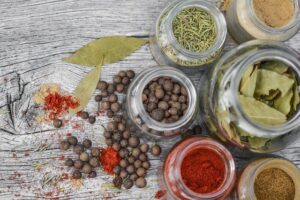
Spices and Herbs

Spices and Herbs Here is a list of the most common spices and herbs with their Afrikaans, English and German names Spices Afrikaans English German Borrie Turmeric die Kurkuma Komyn Cumin der Kreuzkümmel Peper Pepper der Pfeffer Neutmuskaat Nutmeg die Muskatnuss Naeltjies Clove die Nelke Wonderpeper Allspice der Piment Kardemom Cardamom der Kardamom Koriander Coriander (ground/seed) der Koriander Garam masala Garam Masala das Garam Masala Verrykie Fenugreek der Bockshornklee Mosterdsaad Mustard Seeds die Senfkörner Gemmer