Skip to content

Seasonal

A German Christmas: Where Old Traditions Light the Winter

Step into a season woven from candle-glow, evergreen scent, and stories whispered through centuries. From the gentle footsteps of St. Nicholas to the quiet hope of Advent Sundays… from markets that sparkle like fairy-tale towns to Christmas trees dressed in timeless beauty—Germany keeps the spirit of Christmas close to the hearth.

Discover cherished customs like the Kinder-filled Adventskalender, hand-carved Krippen, twirling Weihnachtspyramiden, and the heartwarming rituals that make this time of year feel like home.

Let your journey into German Christmas traditions begin—one golden light at a time.

St. Nicholas Day

St Nicholas Day, known as Nikolaustag in Germany, is celebrated on the 6th of December. Children leave a pair of cleaned boots outside their door on the evening of the 5th. The boots are then filled with sweets and small gifts. According to legend, Nicholas of Myra gave a poor father money in order to prevent his daughters from being taken into slavery, as the father did not have the funds for his daughters’ dowries. He threw the money through the family’s window, which landed in their shoes, which were drying near their fireplace.

Days until Nikolastag

Advent

Advent is celebrated on the 4 Sundays before Christmas. It is a Christian tradition to prepare for the arrival or coming of Jesus Christ.
The first Advent is the first Sunday after 26 November. 

Advent wreaths have four large candles, which represent the four weeks of Advent and one candle is lit each Sunday. Families spend some quiet and reflective time together and sing Christmas carols. Drinking and eating typical Christmas food like Stollen, Glühwein (mulled wine), roasted almonds and chestnuts

The first candle represents Hope, the second Faith, the third Joy and the final candle Peace. 

Advent Calendar

The Advent calendar counts down the four weeks leading up to Christmas Eve. Every day a new door of the calendar is opened to reveal a small chocolate or a gift. Originally they concealed a picture or bible verse.

Christmas Tree (Tannenbaum)

The first known Christmas tree was set up in 1419 in Freiburg by the town bakers They decorated the tree with fruits, nuts, and baked goods, which the children were allowed to remove and eat on New Year’s Day.

In Germany, you set up and decorate the tree on Christmas Eve. It is traditional to use a real fir tree. The tree is taken down in January and there are specific days for disposal

Christmas markets

Most town squares transform into beautiful Christmas markets. Traditionally there will be a big Christmas tree and Nativity scene (Krippe). Additionally, there are where you can buy delicious food, warm drinks and handmade gifts. It is a wonderful place to meet up with friends for some Glühwein while listening to carol singers  

Christmas Markets

Christmas Markets Visiting Christmas markets in Germany is a delightful way of celebrating the festive season. The heavy scent of sweets, fried sausage and warm wine welcomes you to a variety of Christmas delicacies. If you’re feeling a little chilly, grab a warm mug of Glühwein and catch up with friends. Not only are the markets a great place to socialise, but you can also pick up unique gifts, mouth-watering Christmas cookies, and Stollen. Not to mention, you’ll be able to kit yourself out for the winter with cosy woollen gloves and beanie hats. We compiled this list from our own experiences as well as the recommendations from members of our Facebook group. You are welcome to contact us if you want to add to the list When do the Chrismas markets open Most Christmas markets in Germany open around the start of Advent — the fourth Sunday before Christmas, usually in late November. In many towns, the festive lights flicker on the Monday after Totensonntag (the Sunday of the Dead), marking the respectful end of the mourning period and the joyful beginning of the Christmas season.The markets then stay open through December, often closing on Christmas Eve, although some, especially in larger cities, remain open. If you’re eager to dive in early, Dresden’s Striezelmarkt, one of Germany’s oldest, usually opens before Advent, drawing visitors with its centuries-old charm. For those who wish to linger in the glow a little longer, Berlin and Cologne host a few markets that stay open past Christmas, carrying the festive spirit into the New Year. Where to find Christmas Markets In larger cities, you’ll often find several Christmas markets scattered across different neighbourhoods, each offering its own unique atmosphere. Smaller towns, however, typically host one main market, where the cosy charm and close-knit community spirit truly shine, making it a magical experience for visitors. Map Please note that some listings on the map only indicate the city, so be sure to confirm the exact address of the Christmas market before planning your visit. Baden-Württemberg Altensteiger Altstadt-Weihnachtsmarkt – A charming market in the old town with festive stalls, seasonal treats, and local crafts, perfect for families and those looking for a traditional atmosphere. Baden-Baden’s Christmas market is open after Christmas till 6 January, and it was pretty awesome. I found different stalls compared to other Christmas markets, and last year they had a Nativity Ausstellung from around the world (not sure if it is an annual thing) that was pretty awesome. Biberach Christkindlmarkt – Set in the historic town square, this market is known for its festive lights, traditional crafts, and regional treats, offering a cosy and welcoming atmosphere. Calw – A picturesque market in the town’s medieval centre, featuring handcrafted gifts, seasonal delicacies, and festive entertainment for all ages. Esslingen – Der Esslinger Mittelaltermarkt & Weihnachtsmarkt is a Medieval Christmas market close to Stuttgart. Watch a video here Freiburg – This market spans the historic old town and features local crafts, Black Forest specialities, and a lively festive program for visitors of all ages. Gengenbacher Adventsmarkt – Central to the festivities is the historic Rathaus, proudly known as the world’s largest Advent calendar house, where 24 windows are revealed one by one each night in a cherished tradition of light and wonder. Heidelberg – The Heidelberg Christmas Market unfolds beneath the watchful gaze of Heidelberg Castle, with the Neckar River shimmering nearby — a setting so picturesque it feels lifted from a winter postcard. Known for its romantic atmosphere, it’s a favourite for couples strolling hand in hand and families soaking up the festive spirit together. Hohenzollern Castle – as of 2021, they do not have a Christmas market but a Royal Winter Magic event The Christkindlmarkt in Durlach, Karlsruhe – A festive market with a medieval flair, featuring artisanal crafts, seasonal treats, and live entertainment in the historic town center. Konstanzer Weihnachtsmarkt direkt am Bodensee – Located right on the shores of Lake Constance, this market combines stunning waterside views with traditional festive stalls and regional delicacies. Ludwigsburg – Ludwigsburger Barock Weihnachtsmarkt. Watch a video here Ravenna Schlucht Christmas Market – Nestled beneath the arches of the Ravenna Viaduct, this market offers a magical setting among forested hills and snow-dusted scenery, with traditional crafts and seasonal treats. Stuttgart – Spread over a large area around Schlossplatz, this market features extensive stalls, festive lights, local foods, and a lively program of seasonal entertainment. Tubingen – The Market is excellent for chocolates, handcrafted gifts, and a cozy old town setting. Ulm – Famous for the church with the highest tower in the world, the market in front of the cathedral offers festive stalls, local foods, and a magical atmosphere. Zavelsteiner Burgweihnacht – Held at Zavelstein Castle, this market combines historic charm with festive lights, handcrafted gifts, and regional delicacies in a romantic hilltop setting. Ravenna Schlucht Nestled beneath the towering arches of the Ravenna Viaduct (Ravennaviadukt), the Christmas market in the Ravenna Gorge (Ravennaschlucht) transforms this historic railway bridge and its surrounding Black Forest pines into a fairytale scene. The market is nestled beneath the towering arches of the Ravenna Viaduct, a historic railway bridge. The dramatic backdrop, surrounded by dense pine forests and snow-dusted hills, creates a beautiful atmosphere. But unlike many open-air markets, this one requires planning ahead: Tickets are mandatory. There is no ticket office on site. All tickets must be purchased in advance, online. Ticket presales usually begin in mid-October. You’ll pick a specific time slot for your visit. The tickets are for a window of about 2 hours, so you can enjoy the atmosphere without overcrowding. More info Bayern Kuchlbauers Turmweihnacht in Abensberg is one of the best I’ve ever been to. An outdoor and indoor market. The indoor one is underground and probably has a lot of SA Market-style goodies. Not often seen at Markets here. Not sure how the indoor one will work this year, but the vibe was magical around the Turm. Only an hour and a bit North of Munich. Here is an

Krippe

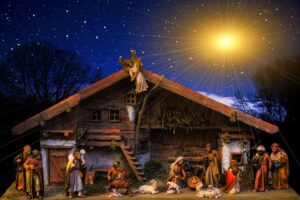
The nativity scene is called a Krippe. It is usually put up in homes, churches and Christmas markets. 
You can buy the individual pieces at Christmas markets. Look for wooden hand made pieces

Weinachtspyramide

A wooden carousel with angels and a nativity scene. It has several levels and spins with the help of heat from candles. The larger ones you find at Christmas markets work with electricity

Nutcracker dolls

Nutcracker dolls originate from late-17th century Germany, particularly the Ore Mountains (German: Erzgebirge) region.
The average handmade Nutcracker doll is made from 60 separate pieces and it takes a great deal of time and effort to bring them to life. Every detail of the doll is carefully crafted, from the hair to the clothes and everything in between.  
They are made to resemble a toy soldier.
Traditional Nutcrackers were functional and used to crack nuts, modern ones are more decorative.

Schwibbogen

Also called a Lichterbogen, is a beautiful decorative arch originating from the Ore Mountains in Germany. The Schwibbogen is traditionally made of wood and features intricate cut-out designs, often depicting scenes from daily life or folklore. They are illuminated with candles or electric lights, creating a cosy and festive atmosphere. 

They also hold cultural significance for the people of the Ore Mountains. The Schwibbogen is believed to symbolize a coal mine’s entrance, highlighting the region’s important mining history. Additionally, many Schwibbogen feature religious motifs, representing the Christian roots of the Ore Mountain communities.

Christmas Eve

Time to set up the tree, enjoy a simple meal with family and exchange gifts.
The traditional meal for the 24th consists of carp, boiled potatoes, cucumber salad and lemon slices. Another alternative is Sausages with potato salad 

Christmas Day

Many families attend church services and sing traditional Christmas carols
A large meal is traditionally eaten in the afternoon or early evening.
Typical dishes include Roast goose or duck stuffed with apples, chestnuts, onions or prunes. Dumplings and Red cabbage with onions and apples are served as side dishes.

Days until Christmas

Christmas Markets

Christmas Markets Visiting Christmas markets in Germany is a delightful way of celebrating the festive season. The heavy scent of sweets, fried sausage and warm wine welcomes you to a

German Christmas Recipes

German Christmas Recipes From the sweet aroma of Zimtsterne and Vanillekipferl to the heartwarming flavors of Stollen and roasted goose, German Christmas treats are more than food—they’re memories. Explore our

Christmas Markets

Visiting Christmas markets in Germany is a delightful way of celebrating the festive season. The heavy scent of sweets, fried sausage and warm wine welcomes you to a variety of Christmas delicacies. 
If you’re feeling a little chilly, grab a warm mug of Glühwein and catch up with friends. Not only are the markets a great place to socialise, but you can also pick up unique gifts, mouth-watering Christmas cookies, and Stollen. Not to mention, you’ll be able to kit yourself out for the winter with cosy woollen gloves and beanie hats. 
We compiled this list from our own experiences as well as the recommendations from members of our Facebook group. You are welcome to
contact us if you want to add to the list

When do the Chrismas markets open

Most Christmas markets in Germany open around the start of Advent — the fourth Sunday before Christmas, usually in late November. In many towns, the festive lights flicker on the Monday after Totensonntag (the Sunday of the Dead), marking the respectful end of the mourning period and the joyful beginning of the Christmas season.
The markets then stay open through December, often closing on Christmas Eve, although some, especially in larger cities, remain open.

If you’re eager to dive in early, Dresden’s Striezelmarkt, one of Germany’s oldest, usually opens before Advent, drawing visitors with its centuries-old charm. For those who wish to linger in the glow a little longer, Berlin and Cologne host a few markets that stay open past Christmas, carrying the festive spirit into the New Year.

Where to find Christmas Markets

In larger cities, you’ll often find several Christmas markets scattered across different neighbourhoods, each offering its own unique atmosphere. Smaller towns, however, typically host one main market, where the cosy charm and close-knit community spirit truly shine, making it a magical experience for visitors.

Map

Please note that some listings on the map only indicate the city, so be sure to confirm the exact address of the Christmas market before planning your visit.

Baden-Württemberg

  • Altensteiger Altstadt-Weihnachtsmarkt – A charming market in the old town with festive stalls, seasonal treats, and local crafts, perfect for families and those looking for a traditional atmosphere.
  • Baden-Baden’s Christmas market is open after Christmas till 6 January, and it was pretty awesome. I found different stalls compared to other Christmas markets, and last year they had a Nativity Ausstellung from around the world (not sure if it is an annual thing) that was pretty awesome.
  • Biberach Christkindlmarkt – Set in the historic town square, this market is known for its festive lights, traditional crafts, and regional treats, offering a cosy and welcoming atmosphere.
  • Calw – A picturesque market in the town’s medieval centre, featuring handcrafted gifts, seasonal delicacies, and festive entertainment for all ages.
  • Esslingen – Der Esslinger Mittelaltermarkt & Weihnachtsmarkt is a Medieval Christmas market close to Stuttgart. Watch a video here
  • Freiburg – This market spans the historic old town and features local crafts, Black Forest specialities, and a lively festive program for visitors of all ages.
  • Gengenbacher Adventsmarkt – Central to the festivities is the historic Rathaus, proudly known as the world’s largest Advent calendar house, where 24 windows are revealed one by one each night in a cherished tradition of light and wonder.
  • Heidelberg – The Heidelberg Christmas Market unfolds beneath the watchful gaze of Heidelberg Castle, with the Neckar River shimmering nearby — a setting so picturesque it feels lifted from a winter postcard. Known for its romantic atmosphere, it’s a favourite for couples strolling hand in hand and families soaking up the festive spirit together.
  • Hohenzollern Castle – as of 2021, they do not have a Christmas market but a Royal Winter Magic event
  • The Christkindlmarkt in Durlach, Karlsruhe – A festive market with a medieval flair, featuring artisanal crafts, seasonal treats, and live entertainment in the historic town center.
  • Konstanzer Weihnachtsmarkt direkt am Bodensee – Located right on the shores of Lake Constance, this market combines stunning waterside views with traditional festive stalls and regional delicacies.
  • Ludwigsburg – Ludwigsburger Barock Weihnachtsmarkt. Watch a video here
  • Ravenna Schlucht Christmas Market – Nestled beneath the arches of the Ravenna Viaduct, this market offers a magical setting among forested hills and snow-dusted scenery, with traditional crafts and seasonal treats.
  • Stuttgart – Spread over a large area around Schlossplatz, this market features extensive stalls, festive lights, local foods, and a lively program of seasonal entertainment.
  • Tubingen – The Market is excellent for chocolates, handcrafted gifts, and a cozy old town setting.
  • Ulm – Famous for the church with the highest tower in the world, the market in front of the cathedral offers festive stalls, local foods, and a magical atmosphere.
  • Zavelsteiner Burgweihnacht – Held at Zavelstein Castle, this market combines historic charm with festive lights, handcrafted gifts, and regional delicacies in a romantic hilltop setting.

Ravenna Schlucht

Nestled beneath the towering arches of the Ravenna Viaduct (Ravennaviadukt), the Christmas market in the Ravenna Gorge (Ravennaschlucht) transforms this historic railway bridge and its surrounding Black Forest pines into a fairytale scene. The market is nestled beneath the towering arches of the Ravenna Viaduct, a historic railway bridge. The dramatic backdrop, surrounded by dense pine forests and snow-dusted hills, creates a beautiful atmosphere.

But unlike many open-air markets, this one requires planning ahead:

  • Tickets are mandatory. There is no ticket office on site. All tickets must be purchased in advance, online.
  • Ticket presales usually begin in mid-October.
  • You’ll pick a specific time slot for your visit. The tickets are for a window of about 2 hours, so you can enjoy the atmosphere without overcrowding.

Bayern

  • Kuchlbauers Turmweihnacht in Abensberg is one of the best I’ve ever been to. An outdoor and indoor market. The indoor one is underground and probably has a lot of SA Market-style goodies. Not often seen at Markets here. Not sure how the indoor one will work this year, but the vibe was magical around the Turm. Only an hour and a bit North of Munich. Here is an additional link
  • The Augsburg Christmas market is very special! On the evening of the opening in November, the Mayor addresses the public from the Rathaus, and ‘angels’ blow trumpets from the Rathaus’ balconies. The music at the opening is spectacular! Also, the food and the vibe are exceptional. Dampfknödel Mohn and with warm Vanillesauce, for example. Lots of gorgeous, warm spiced drinks. A feast for the eyes, too!
  • Eging am See – Pullman city has a German American Christmas market –deutsch-amerikanischer-weihnachtsmarkt
  • KemptenFüssen, and Bad Tölz also have a great Christmas market
  •  There’s a lovely medieval Christmas market at Landsberg am Lech.
  • Lindau – looking out on the Bodensee
  • Munich and in particular the Münchner Christkindlmarkt with the Kripperlmarkt in front of St Michael’s Church.
  • Nürnberg. The biggest and most famous Christmas market in Germany. A girl from Nuremberg is traditionally elected for two years to represent the Christkindlesmarkt. Watch a video here 
  • Neu-Ulm  – Mittelalterlicher Weihnachtsmarkt
  • Passau – The Passau Christmas Market unfolds along the banks of the Danube, Inn, and Ilz rivers, offering a festive experience framed by the town’s striking baroque architecture. Set in the historic old town, the market features handcrafted gifts, sparkling decorations, and traditional Bavarian treats, from mulled wine to roasted almonds and sausages.
  • Regensburg – Romantic Christmas Market at the Thurn und Taxis Castle
  • Rothenburg ob der Tauber – Rothenburg´s Reiterlesmarkt is among the oldest Christmas markets, with the tradition dating back over 500 years

Berlin, Hamburg, Bremen, Brandenburg

Hessen

  • Frankfurt – Features a 33-meter-high Christmas tree. Watch a video here.
  • Michelstadt – A charming medieval Christmas market with traditional crafts, festive food, and a picturesque old town setting.
  • Rüdesheim am Rhein – Known for its romantic riverside setting and festive stalls featuring local specialities and handcrafted gifts.
  • Seligenstadt – A cosy market set in a historic town with beautifully decorated stalls, seasonal treats, and a warm, festive atmosphere.
  • Sternschnuppen Markt, Wiesbaden – Features sparkling lights, artisanal crafts, and seasonal food in a lively city centre location.

Sababurg Zoo Medieval Christmas Market

The Sababurg Zoo is home to reindeer—making it the perfect spot for a Christmas market! Once a year, the zoo hosts a large Christmas market. In a setting where visitors can see reindeer, as well as wolves, deer, horses, turtles, and birds of prey, market stalls feature blacksmithing, pottery, and woodworking. There are also knights, medieval music, and fire shows to enjoy.

Mecklenburg-Vorpommern

  •  Schweriner Weihnachtsmarkt -Nestled in Schwerin’s enchanting Altstadt, the Schweriner Weihnachtsmarkt transforms the city into a festive wonderland. The heart of the market, the Altstädtischer Markt, dazzles with a towering Christmas pyramid and a radiant tree adorned with 10,000 lights. Visitors can glide across the romantic ice rink at Pfaffenteich, enjoy panoramic views from the Ferris wheel, and savour traditional treats like mulled wine and roasted almonds. 

Niedersachsen

  • Hameln – Set in the historic old town, this market is famous for its charming half-timbered buildings, festive lights, and traditional crafts inspired by the Pied Piper legend. Highlight: Try the local Bratwurst or enjoy freshly baked gingerbread while exploring the cobbled streets.
  • Weihnachtszauber Schloss Bückeburg – Located north of Bielefeld, this castle market offers a fairytale setting with festive lights, artisanal crafts, and seasonal treats, ideal for a magical winter visit. Highlight: Don’t miss the live medieval performances and the stunning illuminated castle backdrop for photos.
  • Hannover – The Hannover Christmas Market enchants visitors with a blend of tradition and creativity, featuring medieval-themed areas alongside modern festive attractions. Set in the heart of Hannover’s city centre, the market dazzles with artistic decorations, handcrafted gifts, and an impressive array of culinary delights. Highlight: Sample the famous Feuerzangenbowle or enjoy live music performances while strolling through the festive streets.

Weihnachtswald Goslar

The old town of Goslar, home to over 1,500 half-timbered houses, is a UNESCO World Heritage Site. In the heart of it all, at Schuhhof, the Christmas Forest will return this year. Rows of fir trees from the Harz region are adorned with 160,000 lights, while visitors can enjoy handcrafted goods and a variety of sweet and savory treats. 

Nordrhein-Westfalen

  • Aachen is also a treat and worth picking up an extra packet of the famous biscuits from the main bakery in the old town. The Christmas market in Aachen was fantastic. Mülheim an der Ruhr had an awesome medieval market at Schloß Broich and a small “Nikolaus Markt” in its Altstadt
  • Bochum has lovely decorations around, and downtown, there is a children’s area to listen to stories, and then the highlight is when Santa flies across between the buildings on a cable – very cool.
  • Bonn has various Christmas markets
  • Cologne has various Christmas markets
  • Dortmund has the tallest Christmas tree in Germany, a full 45 meters, and it is a fabulous experience to see when the lights are switched on.
  • Drachenfels Castle has a beautiful one in and around the castle grounds.
  • Düsseldorf – several markets around the city that are worth visiting. The huge Christmas tree in the Altstadt is apparently a gift from Norway each year. 
  • Essen  It has been voted the most beautiful Christmas market in Germany and the most sustainable in Europe, spreading through the city centre from the main station
  • Gronau has a small market that is only for one weekend
  • Hohenlimburg in Hagen was a delightful real castle-like market. best to park at the bottom and travel up the hill on the shuttle bus available.
  • Monschau – The Monschau Christmas Market is a winter wonderland set among the town’s narrow cobblestone streets and timber-framed houses, giving it a uniquely charming, storybook atmosphere.
  • The Christmas market in Münster
  • Schloss Moyland – a beautiful moated castle – had a gorgeous handcrafted market with a children’s choir and was well-lit for those moving around with wheelchairs or prams. worth the few euros to get in.
  • There is a lovely medieval market in Siegburg

Rheinland-Pfalz

  • Cochem – The Cochem Christmas Market unfolds beneath the dramatic backdrop of Cochem Castle and the winding Moselle River, creating a truly storybook setting. Nestled in the town’s quaint historic centre, the market offers handcrafted gifts, festive decorations, and regional specialities, from mulled wine to roasted chestnuts. Highlight: Don’t miss the chance to try the local Riesling Glühwein while enjoying the castle lights reflected on the river.
  • Deidesheim – A charming small-town Weihnachtsmarkt, perfect for leisurely strolls among festive stalls and lights. Highlight: Sample local wine and mulled wine while browsing artisanal crafts in a cosy setting.
  • Speyer – Open even after Christmas, this market features a historic setting with a magnificent cathedral backdrop, festive lights, and stalls offering local delicacies. Highlight: Try the traditional Speyerer Bratwurst or seasonal baked goods while enjoying the illuminated old town streets.

Sachsen

  • Dresden – the Striezelmarkt in particular- has the world’s tallest Christmas pyramid. Dresden is also famous for its Stollen. Watch a video here
  • Leipzig – The Leipzig Christmas Market unfolds in the city’s historic square, surrounded by grand old buildings that glow softly under strings of golden lights. It’s one of Germany’s largest and most beloved markets, drawing around 200,000 visitors each year to its maze of wooden stalls and festive aromas.
  • Görlitz – The Görlitz Christmas Market radiates charm and romance in this picturesque border town, nestled within a historic city center rich in culture and centuries-old architecture. Narrow cobblestone streets, elegant façades, and landmarks like the Görlitz Gate and St. Peter’s Church provide a stunning backdrop, turning a simple stroll into a visual feast.

Historisch-romantischer Weihnachtsmarkt

The setting at Königstein is nothing short of breathtaking: perched high above the Elbe River, the towering fortress dominates the Elbe Sandstone Mountains. True to its historic surroundings, the courtyard is filled with hand-crafted wooden stalls on Advent weekends, and vendors don traditional attire.

Sachsen-Anhalt

  • Quedlinburg is famous for its Weihnachten in den Höfe. Backyards are opened in the Old City, which is also a World Heritage city… Great atmosphere
  • Wernigerode – enchants visitors with its medieval town square and colourful half-timbered houses, creating a festive backdrop straight out of a fairy tale. Nestled in the Harz Mountains, the market offers handmade crafts, traditional decorations, and regional specialities like mulled wine, roasted nuts, and hearty sausages. Twinkling lights, festive music, and the scent of spices fill the air, while the nearby Wernigerode Castle overlooks the scene

Saarland

  • The Sankt Wendel Christmas Market – Fabulous for its mix of a traditional Christmas market and a Mittelalter Markt (medieval market). Fire-breathing shows, festive activities for children, and artisanal stalls make it a lively experience. Highlight: Enjoy seasonal treats while watching the spectacular medieval performances and exploring the illuminated town center.

Schleswig-Holstein

  • Lübeck – A Christmas market with a maritime theme, set among historic buildings and narrow streets. Highlight: Don’t miss the marzipan specialties, a Lübeck classic, while wandering the festive stalls.
  • Kiel – Where the sea breeze carries the scent of mulled wine and twinkling lights dance like stars on the Baltic. The Kiel Christmas Market is a delightful blend of maritime charm and festive cheer. Highlight: Sample fresh seafood treats or enjoy a hot Glühwein while taking in the harbour views for a unique festive experience.

Große Adventskalender von Tönning

The Packhaus, with its 24 large windows, becomes a giant Advent calendar. Each window is beautifully decorated and illuminated to reveal a new festive scene or artwork daily from December 1 to 24. he Packhaus dates back to 1783 and is steeped in maritime history. Its rustic charm adds to the magical atmosphere of the event

Thüringen

  • Eisenach – The Historischer Weihnachtsmarkt auf der Wartburg takes place at the iconic Wartburg Castle, offering a medieval-themed festive experience. Highlight: Enjoy traditional crafts, live historical performances, and mulled wine while taking in the castle’s dramatic backdrop.
  • Erfurt – The Erfurt Christmas Market spreads across Domplatz, framed by the majestic spires of St. Mary’s Cathedral and St. Severus Church — a Gothic panorama that makes this one of Germany’s most striking festive settings. Nestled in the heart of Erfurt’s historic old town, the market offers both visual splendour and culinary delight. Highlight: Sample the famous Thüringer Bratwurst or warm up with a cup of Glühwein while wandering among beautifully decorated stalls.

Other Countries

  • Christkindelsmärik, Strasbourg France, just over the border
  • Colmar – In the picturesque streets of Colmar, the succession of stalls, Christmas decorations and lights will sweep you up in the magic of the Christmas season. Wherever you look, you will be spellbound. Truly the place to be for a genuinely exceptional Christmas experience!
  •  In Valkenburg, Netherlands there is a Christmas market in a cave

Food to indulge in

  • Gebrannte Mandeln (candied almonds) – the irresistible scent that fills every Christmas market. Try the cashews, pecans, and other nuts too – each batch is freshly roasted and coated in a crunchy, caramelized glaze.
  • Dampfnudeln – soft, steamed yeast dumplings served warm with vanilla sauce or stewed berries. A comforting winter dessert that feels like a hug in a bowl.
  • Schupfnudeln mit Sauerkraut – more common in southern Germany, these hand-rolled potato noodles are fried until golden and tossed with tangy sauerkraut. Rustic, hearty, and perfectly wintry.
  • Feuerwurst – a long, spicy sausage served in a bun, its name (“fire sausage”) hinting at the heat that keeps you warm while you wander the stalls.
  • Rote im Semmel – the southern classic: a grilled red sausage (usually from Franconia or Swabia) tucked into a crusty bread roll. Street food simplicity done right.
  • Flammlachs – salmon fillets slow-grilled over an open flame on wooden boards. Smoky, tender, and slightly caramelized – a Nordic touch that’s become a German market favourite.
  • Pancakes – from Nutella to liqueur-filled, paper-thin crêpes are flipped fresh before your eyes and served steaming hot.
  • Stollen – the dense, fruit-studded Christmas bread dusted with icing sugar. For the real deal, look for the famous Dresdner Stollen – rich, buttery, and steeped in history.
  • Lebkuchen – Germany’s soft, spiced gingerbread. The Nuremberg variety (Elisenlebkuchen) contains more nuts and fewer crumbs, often glazed or chocolate-coated. The scent alone says “Advent has begun.”
  • Marzipan Bethmännchen (Frankfurt) – delicate little almond marzipan domes, each adorned with three almond halves, traditionally baked for Christmas.
  • Kartoffelpuffer (also called Reibekuchen) – crisp, golden potato pancakes served with applesauce or sour cream. Fried on-site and impossible to resist once you catch the smell.
  • Raclette – melted Swiss cheese scraped over potatoes, pickles, and bread. The ultimate indulgence for a cold night outdoors.
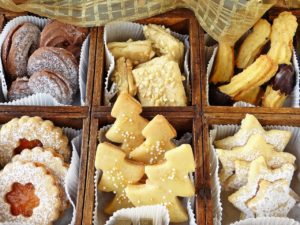
  • Zimtsterne, Vanillekipferl, Baumkuchen, Dominosteine, and Magenbrot – the beloved Christmas biscuit family. From star-shaped cinnamon cookies to layered marzipan cubes and spiced glazed bites, each one tells a story of Advent sweetness.

Drinks to try

  • Glühwein (mulled wine) is the undisputed star of German Christmas markets. This warm, spiced wine—made from red or sometimes white wine—is infused with orange, lemon, cinnamon, nutmeg, fennel seed or star anise, cloves, cardamom, and ginger. It’s the drink that turns frosty evenings into cozy celebrations.
  • Glögg – the Nordic cousin of Glühwein, often stronger and sweeter, sometimes spiked with a touch of aquavit or vodka and served with almonds and raisins floating inside the cup.
  • Grog – simple and warming: rum mixed with hot water, sometimes sweetened or spiced. A sailor’s classic that’s found its way into the German winter repertoire.
  • Heiße Oma (“Hot Grandma”) – a creamy concoction of eggnog, milk, and vanilla sugar. Comfort in a cup, with a name that always makes people smile.
  • Hot cider – especially popular in the Frankfurt region, where apple wine (Apfelwein) is a local favourite. Served hot and spiced, it’s the Hessian answer to mulled wine.
  • Feuerzangenbowle – a spectacular variation of Glühwein. A rum-soaked sugar cone is set alight above the bowl, and as the sugar melts and drips into the wine, it caramelises the drink. It’s as much a show as it is a beverage—fiery, fragrant, and utterly festive.

Shopping

You can find an incredible array of festive and high-quality goods at the Christmas markets. Here are some suggestions. 

  • Hand-crafted gifts can make a great impact on the receiver, especially when they are one-of-a-kind pieces. However, it’s important to ensure their authenticity before making a purchase. 
  • When it comes to Christmas decorations, there are many options to choose from. One brand to consider is Kathe Wolfahrt, which offers a variety of beautiful and festive decorations that can add joy to any home. Whether it’s a wreath, ornament or figurine, these charming pieces are sure to get you in the holiday spirit.
  • Sending Christmas cards is a great way to show loved ones you care. From personalized photo cards to traditional designs, there are endless options to choose from. Don’t forget to add a warm message to make the card extra special.
  • Also, don’t forget to indulge in some traditional holiday treats like Stollen, Zimtsterne, Vanilla Kipferl and Lebkuchen. These delectable goodies are a great way to celebrate the holiday season and create cherished memories with loved ones.

Videos

Here are some videos I found on the web

Related content

German Christmas Traditions

A German Christmas: Where Old Traditions Light the Winter Step into a season woven from candle-glow, evergreen scent, and stories whispered through centuries. From the gentle footsteps of St. Nicholas to the quiet hope of Advent Sundays… from markets that sparkle like fairy-tale towns to Christmas trees dressed in timeless beauty—Germany keeps the spirit of Christmas close to the hearth. Discover cherished customs like the Kinder-filled Adventskalender, hand-carved Krippen, twirling Weihnachtspyramiden, and the heartwarming rituals

German Christmas Recipes

German Christmas Recipes From the sweet aroma of Zimtsterne and Vanillekipferl to the heartwarming flavors of Stollen and roasted goose, German Christmas treats are more than food—they’re memories. Explore our curated list of websites to discover authentic recipes and bring the joy of a traditional German Christmas into your kitchen. Typical Christmas food Zimtsterne Pfeffernüsse  Vanillekipferl Lebkuchen  Ausstechplätzchen (cut out cookies) Spekulatius Spritzgebäck Linzer Plätzchen Kokosmakronen Dominosteine Engelsaugen Rumkugeln Stollen Spitsbuben Glühwein.  Eierpunsch.  Heiße Schokolade

Easter in Germany is an joyous holiday that is celebrated with great enthusiasm and a range of traditions that have been passed down through generations. Colourful Easter eggs, traditional bonfires, and a wide variety of delicious foods are just a small part of what makes this festive occasion so special. Whether it’s by decorating Easter trees or baking Easter cakes, Germans embrace this holiday with open arms. Additionally, the holiday is marked by a plethora of events and activities, such as Easter markets, parades, and church services.

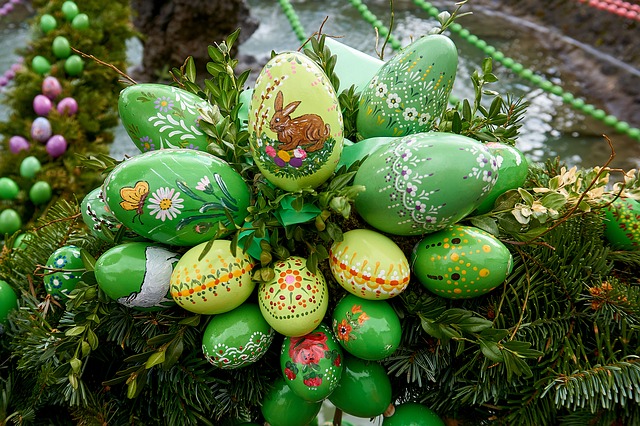
During the Easter season in Germany, streets and homes are decorated with colourful ornaments, most notably with decorated eggs, symbolizing new life and resurrection. German craftsman producing and selling painted Easter eggs is a common sight in many German towns and villages.

German churches hold special services during holy week and on Easter Sunday. Many church choirs will perform oratorios of Johann Sebastian Bach during their Easter service. Protestant churches usually hold sunrise services on Easter Sunday as an acknowledgement of the Resurrection. 

What is celebrated during Easter

Christians celebrate the resurrection of Jesus at Easter. According to Christian belief, Jesus was crucified on Good Friday and rose again on Easter Sunday. For Christianity, Easter is the most important festival of the year.
Easter Sunday is actually the culmination of a series of traditional observations that start with Karneval or Fasching and the following Ash Wednesday (Aschermittwoch). After that, the holidays (“holy days”) of Palm Sunday and Good Friday lead up to Easter.

Important dates for 2026

Holiday 📅 Date (2026) 🌼 Information
Palm Sunday / Palmsonntag 29 March 2026 The Sunday before Easter, commemorating Jesus’ triumphal entry into Jerusalem. It marks the beginning of Holy Week (Karwoche).
Maundy Thursday / Gründonnerstag 2 April 2026 Commemorates the Last Supper and the Washing of the Feet of the Apostles.
Good Friday / Karfreitag 3 April 2026 A public holiday across Germany and a solemn day of mourning. More info
Holy Saturday / Karsamstag 4 April 2026 The quiet day between crucifixion and resurrection, traditionally observed with restraint and reflection.
Easter Sunday / Ostersonntag 5 April 2026 Celebrates the resurrection of Jesus Christ. More info
Easter Monday / Ostermontag 6 April 2026 A public holiday in Germany, traditionally spent with family outings, Spaziergänge, and the last of the chocolate eggs.

Other Easter Foods

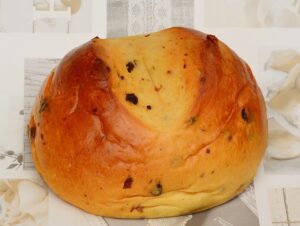
Delicious Hefezopf, Hefekranz and  Easter bread (das Osterbrot) in most bakeries. Made with yeast dough, raisins and almonds. Eaten with butter. There is some great recipes available on Chefkoch.

The closest you find to Hot Cross buns are Rosinenbrotchen
Brightly coloured boiled eggs and of course beautiful chocolate easter eggs can be bought at bakeries.
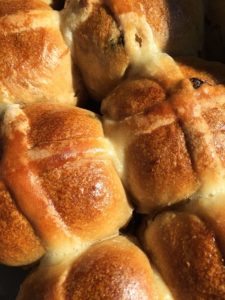
South African Easter Recipes

Easter Recipes

South African Easter Recipes Here is a collection of Traditional South African Easter Recipes. To submit your own recipes to be published on this website, please use this form Roast Lamb Here is a delicious selection of mouth-watering Roast Lamb Recipes that are sure to impress your guests. Pickled Fish Traditional Pickled
Food and Traditions

Food, particularly bread, is an important part of Easter in Germany. Traditional German bakeries offer Easter-inspired culinary delights such as sweet Easter bread, known as Osterbrot. Many regions have their own distinct Easter dishes, for instance, green sauce usually served with boiled eggs is a delicacy typical for the state of Hessen during the Easter period.

Here is a list of food traditionally eaten in Germany over the Easter period, as well as the traditions observed

Palm Sunday
Palm Sunday is the Sunday before Easter and also the start of the holy week or Karwoche. 
Processions with people carrying palm branches or symbolic bouquets (Palmbuschen) and singing hymns.   
Palmbuschen are made from 7 evergreen plants 

Gründonnerstag:
Gründonnerstag sounds like green Thursday although it is derived from the old German word greinen, which means crying. Thus many people celebrate Maudy Thursday by eating green dishes, such as the following:
– Seven herb soup / Sieben Kräutersuppe
– Chervil soup / Kerbelsuppe
– Eggs in green sauce / Eier in grüner Sauce

Karfreitag:
All Church bells are silent on Good Friday and many Families attend church services.
Many towns, such as Bensheim will host processions depicting the events of Good Friday.
Dancing is not allowed on Good Friday, neither are weddings. The shops are closed.
It is a tradition to eat fish at dinner with your family.
– Fish cakes with green sauce / Fishfrikadellen mit grüner Sauce

Ostersamstag:
In Northern Germany, people light Easter fires (das Osterfeuer) as a symbol of light in the darkness.
These fires are sometimes lit on Good Friday or Easter Sunday.

Ostersonntag:
Families come together to celebrate. They may go to church together and then have a big brunch or a festive dinner.
The main dish is often lamb.
Children hunt for Easter eggs.

– Colorful boiled eggs / Bunte Frühstückseier – served with Black Forest ham and Emmentaler cheese
– Easter bunny brioches / Osterhasebrioches
– Roast leg of lamb with juniper berry sauce / Lammkeule mit Wacholderbeerensauce
– Biennenstich cake. Click on this link for other Easter cake recipes
– Easter lamb cake
– Hefezopf
– German Sweat Bread nests

Ostermontag:
Easter Monday is a day of remembrance and reflection.

Easter Traditions

Ostermarkt

Easter markets are a wonderful place to buy hand-painted easter eggs, easer delicacies and decorations.

A list of easter markets can be found on Ostern-international, Ostern in Deutschland or simply search for Ostermark and your area.

Osterbrunnen

Public fountains are decorated with easter eggs.
The tradition began in the early 20th century.


Processions

  • On Palm Sunday the entrance of Jesus into Jerusalem is recreated. 
  • Good Friday – Processions enacting the cruxification of Christ. One of the most popular processions takes place in Lohr
  • Osterreiten – a procession on horseback that takes place on Easter Sunday to announce the resurrection of Jesus

Passion plays

The Passion Play in Oberammergau is performed every 10 years and is one of the most famous in Germany. In 1633 the Oberammergau villagers promised to perform the suffering, death and resurrection of Christ every tenth year, in so far as no one was to die of the plague anymore. The villagers were answered by God and therefore in 1634 the first Passion Play took place. The promise has been kept until today. The 42nd Passion Play successfully ran from 14 May to 2 October 2022, after having to be postponed in 2020 due to Covid. A list of popular passion play venues can be found on Passionspiele.info

Osterstrauch

People decorate dry twigs (Osterstrauch) or trees with colourful eggs. One of the biggest Ostereierbäume can be seen in Saalfeld with almost 600 handpainted eggs. 
A great activity for kids (also the grown-up ones) is to paint your own easter eggs. They are hung on trees, used for table decorations, or can be given as gifts.

Painting Eggs

A great activity for kids (also the grown-up ones) is to paint your own easter eggs. They are hung on trees, used for table decorations, or can be given as gifts.

Eggs hold associations with spring and new life. Early Christians made the egg a symbol of the resurrection and the empty shell a metaphor for Jesus’ tomb

Easter Bonfires

The  Osterfeuer/Osterbrände is lit on Good Fieday to light up the darkness following the death of Jesus.  In some regions fires are lit on Easter Sunday.

Easter Bunny

The concept of a bunny bringing eggs may have originated from German folklore. The first mention of the Osterhase dates back to an essay from Georg Franck von Franckenau in 1682.

Hiding Eggs

The custom of hiding and hunting for Easter eggs originated in Germany.  According to folklore, men would hide eggs for women and children to find, this symbolised the resurrection, in which the empty tomb was discovered by women.

 The Easter egg hunt may have originated from the idea of celebrating the end of Lent, a period of fasting and abstinence, by engaging in a joyful activity. The eating of eggs was forbidden during Lent.

Osterlamm

It is traditional to eat lamb on Easter Sunday. The lamb is the symbol of Jesus Christ, the Lamb of God. It is also popular to eat a Sweet Easter lamb, made from cake and powdered sugar.

Vocabulary

Happy Easterich wünche dir frohe Ostern
Easter bunnyder Osterhase
Easter eggdas Osterei
Easter lambdas Osterlamm
Chocolate bunnyder Schokohase
Daffodilsdie Osterglocke

Related content

Yearly Festivals and Events in Germany

Yearly Festivals and Events in Germany We compiled a list of annual traditional festivals and events in Germany that we believe will provide you with an exciting array of activities and events to attend throughout the year.  If you have any ideas or recommendations regarding events or festivals that we

Karneval

Karneval, also known as the “fifth season,” is a time when things can get a little Narrisch (crazy)! But what exactly is Carnival, Fastnacht, and Fasching? These are different names for the same festive season, but the traditions vary by region: Fasching – Celebrated in Austria, Bavaria, Berlin, Brandenburg, and

Starkbier

Starkbier is as the name suggest a strong beer. It is a legal generic designation for beers in which the original wort content is over 16 °P (degrees Plato). The alcohol level is between 5% and 10%. Most of them are seasonal.
In Munich, Starkbierzeit is called the 5th season. It is during Lent (From Ash Wednesday 14.02.2024 to Easter).
Spargel – the German white gold

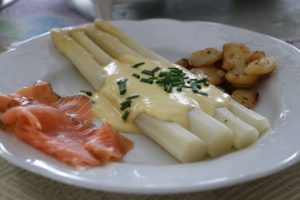
Bis Johanni – nicht vergessen – sieben Wochen Spargel essen! The Asparagus season in Germany starts towards the end of April and ends on the 24th of June (St. John the Baptist Day) Most Germans eagerly await Spargelzeit and they eat around 125 000 tonnes of asparagus each season. It
Christmas

Christmas in Germany isn’t just a date on the calendar — it’s a whole season steeped in rhythm, ritual, and the comforting glow of tradition.
From the first Advent candle to the quiet reverence of Heilige Drei Könige on the 6th of January, the country moves through December with a kind of gentle choreography: St. Nicholas arriving on the 6th, Christmas markets lighting up every town square, and families weaving old customs into modern life.

Here you’ll find the key holiday dates, links to beloved German traditions, a peek into Christmas markets far and wide, a handy vocabulary list, and festive recipe ideas — South African favourites standing cheerfully beside German classics. It’s everything you need to feel the season in full colour, even from afar.

Holiday Date & Tradition
Nikolaustag 06 December — Children leave clean boots outside their door to be filled with sweets and small gifts.
Advent Begins four Sundays before Christmas.
Christmas Eve / Heiligabend 24 December — The main celebration day in many German households.
Christmas Day / 1. Weihnachtsfeiertag 25 December.
Boxing Day / 2. Weihnachtsfeiertag 26 December.
Heilige Drei Könige 06 January — The final day of the traditional Christmas season.

everything you need to know

German Christmas Traditions

Germany’s Christmas traditions are a rich tapestry of old customs, sweet treats, and joyful gatherings. Dive into our full guide to German Christmas traditions and discover the stories, customs, and seasonal delights that make this festive period truly wonderful

German Christmas Traditions

A German Christmas: Where Old Traditions Light the Winter Step into a season woven from candle-glow, evergreen scent, and stories whispered through centuries. From the gentle footsteps of St. Nicholas to the quiet hope of Advent

Read More »

Vocabulary

English Deutsch
Christmas das Weihnachten
Christmas Eve der Heiligabend
Christmas tree der Weihnachtsbaum / Tannenbaum
Mulled wine der Glühwein
Goose die Gans
Nativity Scene die Krippe
Nutcracker der Nussknacker
Merry Christmas Fröhliche Weihnachten
Happy New Year Ein gutes neues Jahr
Advent Calendar der Adventskalender
Christmas Market der Weihnachtsmarkt
Advent Wreath der Adventskranz
Gingerbread / Lebkuchen der Lebkuchen
Christmas cookies die Weihnachtsplätzchen
Snowman der Schneemann
St. Nicholas der Nikolaus
Angel der Engel

Christmas away from home

Celebrating Christmas far from home can tug at the heart a little harder than most days. The lights and music are lovely, yes — but they don’t always quiet the ache for familiar faces and old, well-worn traditions. Still, there’s comfort to be found in staying connected and in building small moments of togetherness, even across the kilometres. From video calls to shared “bederf boks” treats and festive online games, there are many ways to weave a bit of home into the season. You’ll find a few heartfelt ideas here to help make Christmas feel warm, meaningful, and a little less lonely.

Christmas away from Home

Living in a new country can be both an exciting and challenging experience. The new surroundings, people, and culture can offer endless opportunities for growth and learning. But it can be quite

Read More »

Christmas Markets

Christmas markets are the beating heart of a German winter — little worlds of twinkling lights, the scent of cinnamon in the cold air, and stalls piled high with handmade treasures. They’re also a wonderful place to bump into fellow South Africans, share a laugh, and feel a bit of home in the midst of all the sparkle. Our full guide to the best markets is right here, ready to help you plan your next festive wander.

Christmas Markets

Christmas Markets Visiting Christmas markets in Germany is a delightful way of celebrating the festive season. The heavy scent of sweets, fried sausage and warm wine welcomes you to a variety of

Read More »

For the Foodies

Side dishes

Side dishes On this page, we’ll dive into the side dishes that complement a South African Christmas table—each dish a nod to tradition, each flavour an invitation to feel at home wherever you may be. Pull up a chair, let the aromas fill the room, and let’s begin. Brussels

Christmas Beverages

Christmas Beverages A selection of typical Chirstmas beverages Click here to submit your recipe Gemmerbier 4.5 liter water 28 g gingerroot crushed 500 ml sugar 15 ml active dry yeast or 1 cube of yeast 5 ml sugar for the yeast mix 250 ml lukewarm water one lemon Boil

Main Meals

A South African Christmas Feast Celebrate the flavours that shaped our festive tables: slow-roasted lamb, sticky glazed gammon, smoky braai favourites, and all the classic sides that taste like home. Back in South Africa, Christmas isn’t just a meal — it’s a whole production. The heat, the laughter, the

Christmas Desserts

A Taste of Home: South African Christmas Desserts in Germany The classics we grew up with—trifle dripping with custard, tipsy tart soaked just right, fruit cake rich enough to stop time itself. Bring a little home to your German December, one sweet spoonful at a time. South Africans don’t

German Christmas Recipes

German Christmas Recipes From the sweet aroma of Zimtsterne and Vanillekipferl to the heartwarming flavors of Stollen and roasted goose, German Christmas treats are more than food—they’re memories. Explore our curated list of websites to discover authentic recipes and bring the joy of a traditional German Christmas into your

Traditional South African Christmas Recipes – Cookies

Soetkoekies   250g butter (room temperature) 6 x 250ml cake flour 625ml sugar Pinch of salt 15ml baking soda 20ml cream of tartar 3 eggs 250ml milk Preheat the oven to 180°C. Line a baking tray with baking paper. Rub the butter into the flour. Add the sugar, salt,

Facebook
Twitter
LinkedIn
WhatsApp
Email

Christmas Beverages

A selection of typical Chirstmas beverages

Gemmerbier

  • 4.5 liter water
  • 28 g gingerroot crushed
  • 500 ml sugar
  • 15 ml active dry yeast or 1 cube of yeast
  • 5 ml sugar for the yeast mix
  • 250 ml lukewarm water
  • one lemon
  1. Boil the water and add ginger and sugar.
  2. Stir until the sugar is dissolved
  3.  Pour it in an enameled can or bucket, and let it cool until lukewarm
  4. mix the yeast,  the 5  ml of sugar and lukewarm water
  5. Let it stand in a warm place for 5 – 10 minutes until it starts to ferment
  6. Add the yeast mixture to the ginger mixture
  7. Cut the lemon into slices and add it to the mixture
  8. Let it stand for 24 hours
  9. Strain it through a clean damp cloth and pour it into clean bottles. Do not fill the bottles to the top, but leave some space available
  10. It will be ready in two or three days
  11.  Keep an eye on the bottles and turn it now and again

Old Gingerbeer recipe

I am sharing this old recipe, for those who can get their hands on Lennon’s Jamaika Gemmer 

  • 9 liter water
  • 7 – 8 koppies (250ml elk) suiker
  • 10 ml kitssuurdeeg
  • Rosyntjies
  • 20 ml Jamaika gemmer
  • Bottels met proppies
  1. Meng alles behalwe die rosyntjies saam tot die suiker opgelos is.
  2. Plaas so 5 rosyntjies in elke bottel en vul dit 3/4 met die gemmerbier
  3. Draai die botel proppies losweg op
  4. Laat staan 1 dag in warm weer of twee dae in koue weer
  5. Draai bottel proppies styf to en plaas in die yskas

Related content

German Christmas Traditions

A German Christmas: Where Old Traditions Light the Winter Step into a season woven from candle-glow, evergreen scent, and stories whispered through centuries. From the gentle footsteps of St. Nicholas to the quiet hope of Advent Sundays… from markets that sparkle like fairy-tale towns to Christmas trees dressed in timeless beauty—Germany keeps the spirit of Christmas close to the hearth. Discover cherished customs like the Kinder-filled Adventskalender, hand-carved Krippen, twirling Weihnachtspyramiden, and the heartwarming rituals

German Christmas Recipes

German Christmas Recipes From the sweet aroma of Zimtsterne and Vanillekipferl to the heartwarming flavors of Stollen and roasted goose, German Christmas treats are more than food—they’re memories. Explore our curated list of websites to discover authentic recipes and bring the joy of a traditional German Christmas into your kitchen. Typical Christmas food Zimtsterne Pfeffernüsse  Vanillekipferl Lebkuchen  Ausstechplätzchen (cut out cookies) Spekulatius Spritzgebäck Linzer Plätzchen Kokosmakronen Dominosteine Engelsaugen Rumkugeln Stollen Spitsbuben Glühwein.  Eierpunsch.  Heiße Schokolade

Substitutes – Other Products

Here is a list of substitutes and translations for general food and kitchen items like cling film, maize meal, custard and biscuits    Related content Where to buy South African products

Where to buy South African products

A Taste of Opera

South African online wine shop in Berlin selling the finest wines at the best prices. Order as a gift or simply to enjoy yourself – delivered straight to your doorstep in Berlin. These wines are innovatively paired with opera pieces – similar to a wine and cheese pairing, but with music! Cheers!

Die Spens Eindhoven

Die Spens is the largest South African shop in the EU. With more than a 1500 products available from South Africa as well as products from the United Kingdom, Ireland, Zimbabwe, Namibia & Australia. With 2 shops located in the Netherlands: Amersfoort & Eindhoven. Located close to the highway and easily reachable from all over the Netherlands, Belgium and Germany. Come and have a look at all the well known South African favourites, like Mrs

SA Food Store

We believe that our South African communities in Europe should have convenient and affordable access to all their favourite South African products, no matter where they are based. So, we have brought together a group of South African expats who are searching for flavours of home. We are proud to represent South African products and bring the taste of South Africa to our fellow Saffas and friends. Products: Biscuits like GingerNuts, Romany Rusks, Tennis and

Christys Küche

  Hi, I’m Christy, a South African living in Düsseldorf since 2018. Prior to leaving SA, I ran my own catering business. I also had my own restaurant, KOMBUIS in Melville, which specialised in traditional SA dishes. Although we love living in Germany, we miss South African food terribly. So, we decided to start our own small business, offering homemade favourites like biltong, chilli bites, bobotie, koeksisters, Hertzoggies etc. I can also cater to special requests, e.g.

Sonja Kohlöffel – Gem Squash

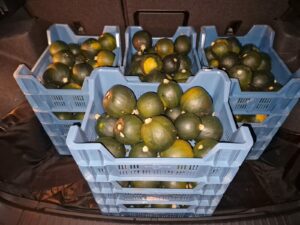
Gem Squash tastes just like home Postal orders 6kg total cost for postage and packaging is 20€ Collections in either Ulm or Bad Waldsee cost 5kg is 10€ Please email sonjakohloffel@gmail.com with orders by no later than close of business on Fridays Orders will be sent out on Monday morning. Thank you for your support

Saffa Shop

We sell a variety of South African products Homemade biltong, boerewors, droëwors and chilli bites. Lamb chops. Maize Meal and Samp Maltabella, Jungle Oats, Kreemymeelm and ProNutro Rooibos, Five Roses, Ricoffy, Frisco and Milo Alcoholic drinks like Klipdrift Brandy, JC le Roux,  Sedgwick’s Old Brown, Savanna, Hunter’s, Lion Lager and many more Seasonal – Gem Squash Homemade fish paste Deliveries and collections.

A South African Christmas Feast

Celebrate the flavours that shaped our festive tables: slow-roasted lamb, sticky glazed gammon, smoky braai favourites, and all the classic sides that taste like home.

Back in South Africa, Christmas isn’t just a meal — it’s a whole production. The heat, the laughter, the clatter of dishes, the uncles debating the braai like it’s a national sport… these flavours carry memories. Even in a wintry German December, you can still bring the spirit of a South African Christmas to your table with the dishes we grew up loving. Here you’ll find the classics, the must-haves, and tips to recreate them beautifully — no matter how far from home you are.

Gammon

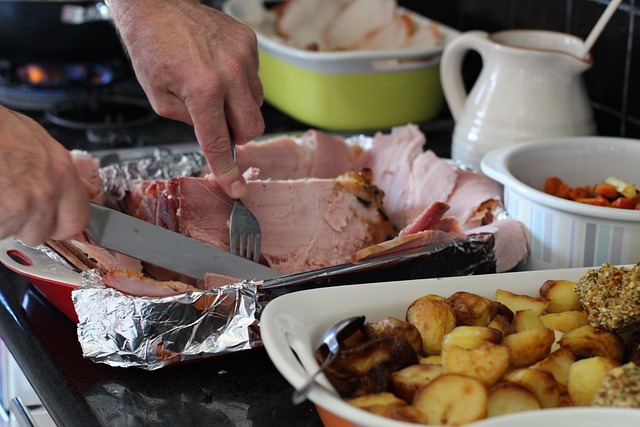
Gammon is a type of ham that has been cured or smoked, similar to bacon. It comes from the hind leg of pork and is prepared through dry salting or brining. It may also be smoked, depending on the variety. Gammon is meat that has been cured through salting, brining, or smoking and is sold raw, while ham is meat that has been dry-cured or cooked and is ready to eat. Simply put, once you cook gammon, it transforms into ham.
In Germany, you can occasionally find Gammon at Kaufland, where it is sold under names like “Kassler Schinken geräuchert” or “Kassler Braten.” Keep an eye out for these labels if you’re looking to enjoy this flavorful cut!  

💡 Tip from Our Community

If you’re looking to order gammon from a butcher, ask for Prager Schinken – leicht geräuchert, leicht gepökelt (with Schwarte if you prefer the rind). Opt for Strohschwein (free-range pork) whenever possible. Its quality ensures a tender and juicy gammon, as the alternative can sometimes be quite dry.

Christmas Gammon

  • 1 smoked ham
  • 1 onion, peeled and quartered
  • 2 carrots, peeled and diced 
  • 3 celery sticks, diced
  • 2 bay leaves
  • 5 whole cloves
  • 5 black peppercorns
  • 30 whole cloves for decoration
  • 45ml honey
  • 50g red candied cherries
  • 4 tinned pineapple rings
  1. Place the ham, onion, carrots, celery, bay leaves, 5 cloves and peppercorns in a large pot. 
  2. Cover it with warm water. Bring to the boil and boil for 50 minutes per kilogram of meat.
  3. Let it cool
  4. Heat the oven to 230 Degrees Celcius
  5. Take the ham out of the liquid and remove the skin. Keep a layer of fat on the meat.
  6. Cut a diamond pattern into the layer of fat and insert a clove in every diamond
  7. Place the ham on a baking sheet and brush with honey
  8. Bake in the oven for 15 minutes or until golden brown
  9. Baste the ham every now and again with honey
  10. Decorate with ham and cherries (put a cherry in each pineapple  circle)

Buttermilk-Marinated leg of Lamb

Ingredients:

  • 1 deboned leg of lamb, butterflied
  • 125 ml buttermilk
  • 10 ml flavored sea salt
  • 2.5 ml ground black pepper

Basting Sauce:

  • 100 g melted butter
  • 2 garlic cloves, finely chopped or crushed
  • 2.5 ml sugar
  • Juice of ½ lemon

Instructions:

  1. Pour the buttermilk into a glass bowl and place the lamb in it. Turn the lamb a few times to ensure it is well coated. Marinate in the fridge for 24 hours. Buttermilk is an excellent tenderizer, as it doesn’t draw out the meat’s juices or alter its flavor.
  2. Remove the lamb the next day and pat it dry gently with paper towels. Season with flavored salt and black pepper.
  3. Combine the ingredients for the basting sauce.
  4. Preheat the oven to 180°C (350°F). Cover the lamb with foil and bake for 1½ to 2 hours, turning it once and spooning basting sauce over the meat.
  5. Remove the foil and roast for an additional 15 minutes until golden brown.

Related content

German Christmas Traditions

A German Christmas: Where Old Traditions Light the Winter Step into a season woven from candle-glow, evergreen scent, and stories whispered through centuries. From the gentle footsteps of St. Nicholas to the quiet hope of Advent Sundays… from markets that sparkle like fairy-tale towns to Christmas trees dressed in timeless beauty—Germany keeps the spirit of Christmas close to the hearth. Discover cherished customs like the Kinder-filled Adventskalender, hand-carved Krippen, twirling Weihnachtspyramiden, and the heartwarming rituals

German Christmas Recipes

German Christmas Recipes From the sweet aroma of Zimtsterne and Vanillekipferl to the heartwarming flavors of Stollen and roasted goose, German Christmas treats are more than food—they’re memories. Explore our curated list of websites to discover authentic recipes and bring the joy of a traditional German Christmas into your kitchen. Typical Christmas food Zimtsterne Pfeffernüsse  Vanillekipferl Lebkuchen  Ausstechplätzchen (cut out cookies) Spekulatius Spritzgebäck Linzer Plätzchen Kokosmakronen Dominosteine Engelsaugen Rumkugeln Stollen Spitsbuben Glühwein.  Eierpunsch.  Heiße Schokolade