Skip to content

South African Easter Recipes

Here is a collection of Traditional South African Easter Recipes.
To submit your own recipes to be published on this website, please use this form

Roast Lamb

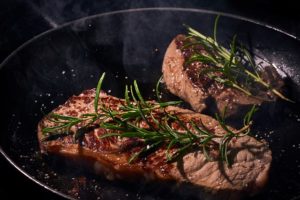
Here is a delicious selection of mouth-watering Roast Lamb Recipes that are sure to impress your guests.

Pickled Fish

Traditional Pickled Fish recipe

  • 2kg fresh hake
  • Flour for dusting
  • Oil for frying
  • 30 ml paprika
  • 30 ml garam masala
  • 15 ml turmeric
  • 15 ml smoked paprika
  • 2 fresh chillies, chopped
  • 2 cloves garlic, crushed
  • 2 onions, chopped
  • 100 ml white spirit vinegar
  • 45 ml brown sugar
  • 250 ml water

Method

  1. Start by preparing the hake. Place a saucepan on high heat with a good coating of oil. While it heats, lightly dust the hake pieces in flour and gently shake off any excess flour. Drop the pieces into the oil and fry until golden. Remove once golden in colour and set aside.
  2. Next, prepare the sauce. Start by putting a pan over a medium heat with a dash of oil, and fry the onions, garlic, and chilli in a pan until caramelised. Add the paprika, smoked paprika, masala, and turmeric and fry for 5 minutes until fragrant. Sprinkle in the brown sugar and stir until it’s dissolved. Finally, deglaze the pan with the water and vinegar and simmer on low heat for 25 min.
  3. After 25 minutes, remove the pan from the heat and allow it to cool completely.
  4. Once cool, add the fish, mix to combine, and refrigerate.
  5. It needs at least 24 hours so the fish can soak up the sauce. It is even better if you can let it soak for up to two days.

Info on buying Fish and Seafood

Fish and Seafood

Fish and Seafood From Snoek to Seelachs: A Taste of Home Beneath German Waters Craving that perfect piece of hake? Looking for prawns that remind you of home? We’ve put together a list of the best places across Germany to buy fresh seafood — from speciality shops to supermarket counters

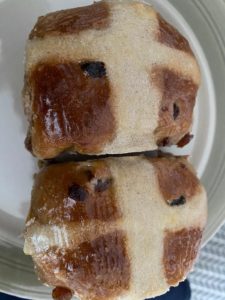
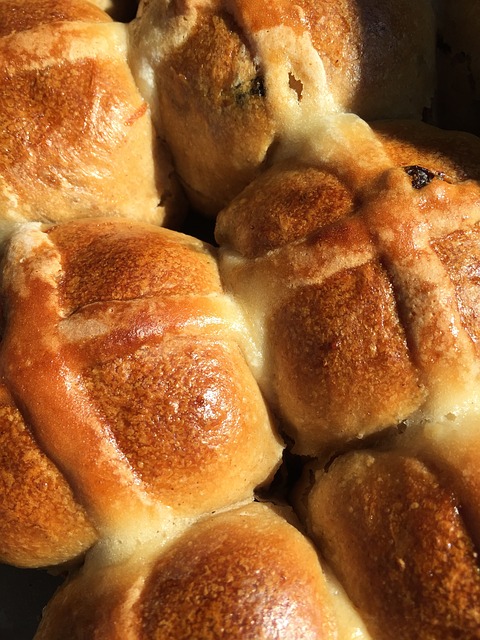
Hot cross buns

Recipe tested and submitted by Gareth, one of our FB members.
I tested this recipe myself, and it works very well.
I placed the dough in a preheated oven (50℃) to rise, and used a glaze made with a 1/4 cup of sugar and 1/4 cup of water, cooked for a minute, as I didn’t have any apricot jam

Ingredients:

For the dough

✨ 500 g strong bread flour
✨ 7 g active dry yeast
✨ 100 g caster sugar
✨ 10 ml cinnamon
✨ 10 ml allspice (piment)
✨ 2.5 ml salt
✨ 225 g sultanas
✨ 375 ml warm milk
✨ 50 g unsalted butter, melted and cooled
✨ 1 egg

For the crosses

✨ 75 g flour
✨ 75 ml water

For the glaze

✨15 ml apricot jam
✨10 ml water

Getting it done:

  1. Place the 500 g flour, 7 g yeast, 100 g sugar, 10 ml allspice, 10 ml cinnamon, and 2.5 ml salt into a mixing bowl
    (preferably using a stand mixer with a dough hook).
  2. Mix the dry ingredients to combine.
  3. Add the 50 g melted butter, 375 ml warm milk, 1 egg, and 225 g sultanas.
  4. Mix for about 5 minutes until a smooth, elastic dough forms.
    ➤ If needed, add a little extra flour—just enough so the dough pulls away from the sides of the bowl.
  5. Cover the bowl and place it in a warm spot.
    ➤ Let it rise until doubled in size.
  6. Line a 30 × 24 cm baking tray with parchment paper.
  7. Turn the dough out onto a lightly floured surface and punch it down.
  8. Shape into a log and divide into 12 equal pieces.
  9. Roll each piece into a smooth ball.
  10. Place on the tray (smooth side up), arranged 3 × 4.
  11. Cover and leave to rise again for 30–45 minutes, until about 75% larger.
  12. Mix 75 g flour with 75 ml water to form a thick, pipeable paste.
  13. Spoon into a small piping bag (or plastic bag) and snip the corner.
  14. Pipe crosses onto the buns.
  15. Bake in a preheated oven at 180°C for 20–25 minutes, until golden brown.
  16. Mix 15 ml apricot jam with 10 ml water.
  17. Microwave for about 30 seconds, then stir until smooth.
  18. Transfer buns to a cooling rack and brush with glaze while still hot.
 
Ingredients
  • 480 g flour
  • 2 x 10 g instant yeast sachets
  • 100 g brown sugar
  • 1/2 t cinnamon
  • 1/2 t nutmeg
  • Salt, a pinch
  • 1/2 t baking powder
  • 1/2 t bicarbonate of soda
  • 1 lemon, zested
  • 1 1/4 cups milk
  • 3 T butter
  • 2 free-range eggs
  • 1 t vanilla extract
  • 135 g sultanas and raisins

For the flour paste:

  • 125 g flour
  • 5 T water

For the glaze:

  • 65 ml golden syrup
  • 65 ml boiling water
Instructions

Preheat the oven to 180°C.
Combine the flour, yeast, brown sugar, cinnamon, nutmeg, salt, baking powder, bicarbonate of soda, lemon zest and dried fruit in a large mixing bowl.
Place the milk and butter in a saucepan and heat gently until the butter has melted. Lightly whisk the eggs and vanilla together and add to the dry ingredients, along with the milk-and-butter mixture.
Gently mix the dough using your hands or a wooden spoon until the mixture comes together.
Turn the dough out onto a clean surface and knead for 10 minutes. Place in a lightly oiled bowl, cover with clingfilm and place in a warm spot for 1½ hours until doubled in size.
After the dough has risen, knock it down to its original size and then roll into 12 evenly shaped buns.
Place the buns on a greased baking tray and cover with clingfilm, leaving enough room for the buns to rise. Allow the buns to rise for another 30 minutes.
To make the flour paste, mix the flour and water together to form a smooth paste, place in a sandwich bag and cut off one of the corners to make a piping bag.
Pipe a cross onto each bun and bake for 15 minutes, or until the buns are golden and cooked through.
Glaze the buns while they are still hot.

No Bake Cheesecake

Ingredients:

For the crust
For the filling
For the decoration

Getting it done:

  1. Process the shortbread cookies in a food processor until they become fine crumbs. Alternatively, place them in a plastic bag and crush them with a rolling pin.
  2. Mix the crumbs with the melted butter in a small bowl.
  3. Divide the crumb mixture between the 6 silicon muffin pan cups, 6 ramekins, or beautiful glass cups. Press firmly into the bottom to form the cheesecake bases.
  4. Place the cold water in a small bowl and sprinkle the gelatin over the top. Whisk briefly, then let it sit for 5 minutes so the gelatin absorbs the water.
  5. Once the gelatin has firmed up, microwave it for 10–15 seconds until it becomes liquid. It should be warm but not hot.
  6. Place the cream cheese in a mixing bowl and beat with an electric mixer until smooth, creamy, and free of lumps.
  7. Add the sugar, lemon juice, vanilla, and salt. Mix well, scraping the sides and bottom of the bowl occasionally.
  8. Add the melted gelatin and mix well.
  9. Divide the filling into 4 portions and add a small amount of food colouring to each. Mix until the colour is smooth and evenly distributed.
  10. Take the first coloured cheesecake mixture and divide it between the cookie bases. A cookie scoop works well, but you can also use a spoon or pipe the mixture in if you want very neat layers.
  11. Spread into an even layer with the back of a spoon. Add the second colour on top of the first. Repeat with the remaining colours until all four layers have been added.
  12. If you made them in a container you want to serve them in, for example, a glass container, place the cheesecakes in the refrigerator to set. Overnight works well. If you made it in muffin pan cups, put them in the freezer for two hours. Make sure they are frozen. Unmould them and let them defrost in the fridge overnight.
  13. Decorate just before serving.

Easter eggs

The following businesses are selling South African Easter eggs

SA Food Store

Saffa Shop

Catering

The following businesses offer catering services

One More Chapter

One More Chapter in Berlin is a unique book café and restaurant where literature and flavour meet under one roof. Located next to the InterKontinental Bookstore, known for its focus on African and Afro-diasporic literature, this cosy spot offers more than just a meal — it’s a cultural experience. One More Chapter is a book café and restaurant in Berlin where Sibu Mntambo from Durban took over the kitchen, bringing his roots and creativity into

Read More »

A Taste of Opera

South African online wine shop in Berlin selling the finest wines at the best prices. Order as a gift or simply to enjoy yourself – delivered straight to your doorstep in Berlin. These wines are innovatively paired with opera pieces – similar to a wine and cheese pairing, but with music! Cheers!

Read More »

SA.TISFY

Sa.tisfy brings the comforting, homegrown flavours of South Africa to Luxembourg, with a strong focus on handcrafted favourites made the traditional way. Built on a passion for authentic recipes, they specialise in biltong, droëwors and boerewors, alongside baked treats and nostalgic classics like milk tart — all prepared with care and a deep respect for heritage. More than just a food business, Sa.tisfy is about sharing stories through flavour, connecting people to the warmth of

Read More »

Christys Küche

Hi, I’m Christy, a South African living in Düsseldorf since 2018. Before leaving SA, I ran my own catering business. I also had my own restaurant, KOMBUIS in Melville, which specialised in traditional SA dishes. Although we love living in Germany, we miss South African food terribly. So, we decided to start our own small business, offering homemade favourites like biltong, chilli bites, bobotie, koeksisters, Hertzoggies, etc. I can also cater to special requests, e.g.

Read More »

Piefection

Homemade pies and South African desserts. For more details and prices, check out the Menu for 2026 To order, please do not hesitate to contact me via WhatsApp at +49 178 781 0049 or by email at ebbelingruby@gmail.com.

Read More »

Resources on the web

Related content

Meat

🇿🇦 Meat the Difference: A South African’s Guide to Buying Meat in Germany 🇩🇪 Looking for proper boerewors? Wondering why German Rindfleisch doesn’t taste quite like home? Or scratching your head at all the unfamiliar beef cuts? Get to know the difference between German and South African beef cuts, learn the right words at the butcher, and discover where to find quality meat that feels like home. German beef cuts German Cut English Equivalent Notes

South African Recipes

South African Recipes We’d love to taste the flavours of home through your kitchen! If you have a family-favourite milk tart, a secret twist on chakalaka, or your own take on rooibos iced tea, we want to hear from you. Share your best South African recipes with us and help build a collection that brings a little bit of lekker to all of us living abroad — one delicious dish at a time. 🍽️🇿🇦 Click

Baking ingredients

Baking ingredients For all of the passionate bakers out there! We have thoughtfully compiled a comprehensive list of alternative ingredient options that can be used for baking in Germany, along with their corresponding German translations.  Types of Flour Product Substitute / Translation Self-Raising Flour Not commonly sold in Germany (occasionally at Lidl). Substitute for 1 cup self-raising flour: – 1 cup (120 g) Type 405 flour (closest to SA cake flour) – 1½ tsp baking

Facebook
Twitter
LinkedIn
WhatsApp
Email