Skip to content
Home » Life in Germany » Health » Sauna etiquette in Germany

Sauna etiquette in Germany

As someone who comes from South Africa, where the climate tends to be warmer, I never really needed to use a sauna.  It was during a stay at a hotel in Germany that I was first introduced to the idea of a sauna. Although I was intrigued by the thought of trying it out, I was also apprehensive, as I knew absolutely nothing about proper sauna etiquette. In the end, my lack of knowledge turned out to be a blessing in disguise, as it prevented me from making  a fool of myself. 

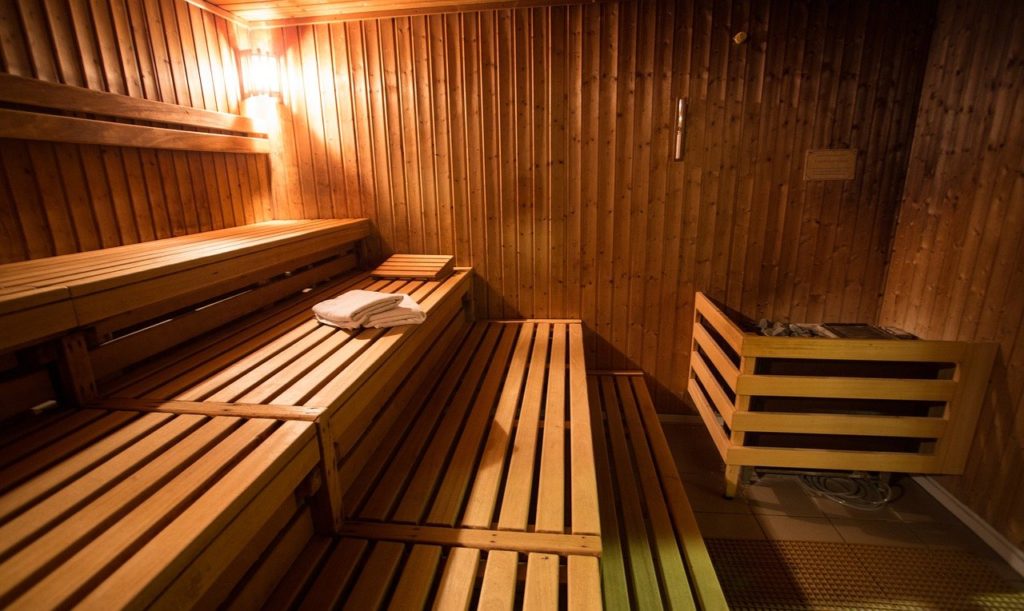
When visiting a sauna in Germany, there are certain cultural norms and etiquette that should be observed. It’s important to note that unlike many other countries, saunas in Germany are typically unisex and require guests to be completely nude. This may seem shocking or uncomfortable to some, but it’s important to respect the local customs and traditions. Many Germans view the sauna as a place of relaxation and rejuvenation for the mind and body.

Before visiting the sauna, take time to learn proper etiquette and guidelines. Following these guidelines will allow you to fully enjoy the experience while being considerate to fellow users and staff.

  • Make sure you know the rules beforehand.
  • Most saunas (with some exceptions) have a no-clothes policy .. jip not even your swimsuit. So if you have an issue with nudity, rather not go. You can ask beforehand if swimsuits are allowed.
  • Some saunas have single-sex days or separate women-only saunas
  • Bring two towels, one to sit on and one to use after showering.
  • Always shower before going into the sauna
  • Always wear a pair of flip-flops in the shower and sauna
  • You can wrap your towel around you before leaving the changing rooms. But once inside the sauna, it should be used to sit on.
  • Avoid direct contact with any wood.
  • Don’t stare! and don’t look around.
  • Please don’t talk to others, it is supposed to be a quiet time
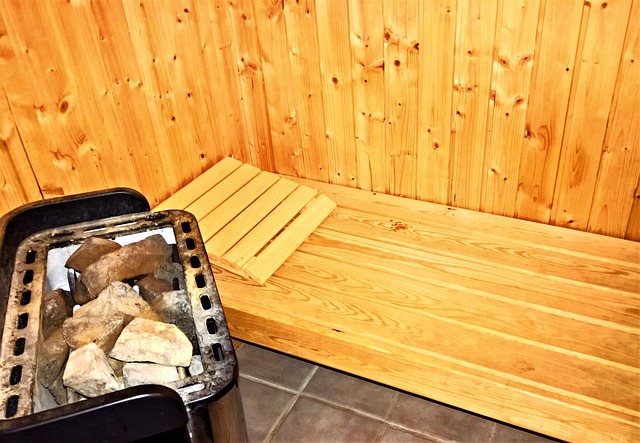
  • The sauna master (Aufgussmeister) is responsible for the “Aufguss” – pouring water on the hot stones. This in itself is a ceremony.
  • It is important to cool down after your sauna session. You can take a shower or jump in a plunge pool if there are any.
  • The warm footbath is so that your body can cool off quicker by boosting circulation.
  • If you feel unwell, leave the sauna immediately
  • Drink plenty of water, avoid alcohol
  • Do not spend more than 20 minutes at a time in a sauna
  • Do not use the sauna if you are ill. Confirm with your doctor if it is safe while pregnant or for any other condition you might have

Possible benefits and risks

The possible health benefits are:

  • Easing muscle and joint pain
  • Reducing stress levels
  • Improving cardiovascular health
  • Helping with skin problems
  • Relieving Asthma symptoms

The possible risks are:

  • Rise or fall in blood pressure
  • Dehydration

Info on the web

 Read more about the benefits and risks on WebMD

Related content

Tourist accommodation types

Types of Tourist accommodation in Germany Germany, known for its rich cultural heritage, stunning landscapes, and vibrant cities, offers a diverse range of accommodation options to suit every traveler’s needs. Here’s a guide to some of the most popular hotel types you can find in Germany, each offering a unique experience. It is important to note that these descriptions are not protected by law, and you can call your hotel a park hotel even if the park is really small. Some do have a minimum requirement, you will for instance not find a Berghotel in the valley. Finding a romantic hotel might also be a challenge. Most German hotels have two single beds, each with their own duvet. The interior is very basic and for cheaper hotels, there are no “little things” like chocolate on your pillow or flowers in the room that make your stay special. Coffee-making facilities in your room are also not very popular.   Berghotel These hotels are typically located in or near mountainous regions. These hotels are designed to cater to tourists seeking outdoor activities such as hiking, skiing, and mountaineering. The offer a rustic and cosy atmosphere Location This type of hotel is located in the mountains and is mostly traditional or rustic. You typically find such a hotel in the Black Forest, in the Alps, in the Swabian Jura or in the Harz Mountains. Seasons These hotels attract a diverse range of visitors year-round. In winter, they are favoured by skiers and winter sports enthusiasts. During the summer, these hotels become a hub for hikers, bikers, and other active sports enthusiasts. Reasons to go Cosy Rustic Breathtaking views Things to consider Crowded in peak season Remote Familienhotel Designed with families in mind, these hotels provide family-friendly amenities such as play areas, children’s menus, and family suites. Many are located near popular attractions like amusement parks and zoos, making them an ideal choice for a family vacation. Reasons to go While not all facilities are available at every family hotel, you can often find options such as children’s entertainment, family-friendly rooms, child-friendly catering options, playrooms, playgrounds, childcare services, and leisure activities tailored for families. These hotels aim to create a welcoming environment for families, with some even offering spa or wellness facilities. Things to consider Family hotels are specifically designed to cater to guests travelling with children, and they typically do not accept bookings from those travelling without children. This ensures a family-oriented atmosphere and allows the hotel to focus on providing the best possible experience for families. Gasthaus/hof (Inn) A traditional, family-run inn that combines cosy accommodations with a welcoming, often rustic, on-site restaurant or beer garden. These charming establishments are found in villages and smaller city neighbourhoods. When in the countryside it is called a Landgasthaus. Reasons to go Known for their homely feel, Gasthäuser and Gasthöfe often feature wooden furnishings, local decor, and a warm, friendly atmosphere. Guests can enjoy authentic German dishes made with regional ingredients, like schnitzel, bratwurst, and seasonal specialties, often served with local beers or wines. Ideal for travelers looking to immerse themselves in local culture, these inns provide a uniquely personal, laid-back experience with a focus on German hospitality.. Things to consider Generally simpler than larger hotels, with basic amenities and often no room service, fitness centres, or other facilities associated with modern hotels. Confirm that essentials like Wi-Fi, en-suite bathrooms, and parking are available if needed. Payment options may be limited to cash or certain cards, so it’s wise to confirm these details in advance. Hotel Garni A Hotel Garni in Germany is a type of accommodation that focuses on providing comfortable lodging with a limited range of services. Unlike full-service hotels, a Hotel Garni typically offers just breakfast, without an on-site restaurant for lunch or dinner. These hotels are usually smaller, often family-run, and provide a cosy, personalized atmosphere. Rooms are well-equipped with modern amenities, and breakfast is typically a highlight, featuring a buffet of fresh, local options like bread, cheeses, cold cuts, fruits, and coffee. Reasons to go Found in cities, towns, and holiday regions, Hotel Garni is ideal for travelers who plan to explore local restaurants and attractions throughout the day, and simply need a clean, comfortable place to rest and start their day with a hearty breakfast. The focus on simplicity and convenience makes it a budget-friendly and hassle-free option. Things to consider Hotels Garni usually only serve breakfast and do not have in-house restaurants for lunch or dinner. If you prefer dining on-site, consider whether nearby dining options suit your needs and schedule, especially if you’re in a remote area. Smaller Hotels Garni may have limited staffing hours and stricter check-in and check-out times, so be sure to confirm these details if you’re arriving late or leaving early. Hütte A Hütte in Germany refers to a rustic mountain hut or cabin, often located in scenic alpine areas, forests, or national parks. Traditionally used by hikers, climbers, and nature enthusiasts, these huts provide simple, communal-style accommodations for those seeking an immersive outdoor experience. A Hütte is typically managed by organizations like the German Alpine Club (Deutscher Alpenverein) and is designed to offer shelter, a warm meal, and basic amenities to travellers on their journey. Location Mountains, forest or national parks Seasons All, but check in Winter Reasons to go Most Hütten are accessible only by hiking trails, offering stunning views and a close connection to nature. Perfect for adventurous travelers, a stay at a Hütte offers a unique experience in the German wilderness, though it comes with rustic accommodations that prioritize simplicity and sustainability. Hüttenvermietung Müller Tips for sleeping in a Hütte (German) Packing list for sleeping over (German) Rules for staying in a Hütte Things to consider Hütten are rustic by nature and usually provide only the basics—bunk beds, shared bathrooms, and a communal dining area. Facilities like electricity, hot showers, and Wi-Fi may be limited or unavailable, so expect a simple, back-to-basics experience. Booking in advance is recommended Guests should

Winter in Germany

Discover everything you need to know about winter in Germany! From tips on staying warm to festive traditions and winter activities, make the most of the season.

Swimming in Germany

Swimming options Private swimming pools are not so popular in Germany, but there are good public swimming options available. Public swimming pools / Öffentliche Schimmbäder / Freibad Freiseitparks like Europapark Baggersee (Man-made lakes) Lakes The ocean / Nordsee or Ostsee Rules for swimming in Lakes Never dive/jump into a lake without knowing the depth of the water first. Many lakes are quite shallow, especially near the shore. Bring a sun umbrella or some form of shelter, and of course sunscreen. Bring swimming shoes or flip-flops, to avoid stepping on broken glass or other sharp objects that may be there. Don’t stay in the water too long. Children sometimes don’t realise how cold they are and lakes may remain quite cool, even in summer.  Bring plenty of towels to dry off after your swim.  Bring warm clothes for after your swim Bring a picnic, some lakes have benches and tables, but not all do, so bring a big blanket to sit on. Toilets are often available near the lakes. Food stalls sometimes have ice cream or snacks. Just be careful, sweets, drinks, beer, etc. attract insects (bees and wasps)   Most facilities will allow smoking and alcoholic drinks, check for signs prohibiting. Some lakes do have currents and undertows – don’t overestimate your ability, stay close to shore if you are not a strong swimmer. Careful with floating mattresses, toys, etc. Water toys do not keep children as safe as watchful eyes! Be careful with your alcohol intake. WATCH YOUR KIDS – many lakes do not have lifeguards patrolling the area. Your kids are your own responsibility! In an emergency call the national emergency number –  112 Tidbits to know Nude sunbathing is allowed in some areas around lakes Look out for FKK (Freie Körper Kultur) Zone. At public pools swimwear is obligatory Freibad does not mean for free Sommerbad means it is only open in the summer Bring coins with to public pools to make use of the lockers Some public pool facilities have hair dryers that you can use (not free) You are expected to shower before and after using a public pool Wear swimming shoes or flip flops at the pool Public pools are mostly overcrowded. Opt for indoor pools in summer if you only want to swim Some areas in pools are restricted to those who cannot swim, for example children still learning to swim No toys are allowed in public pools Food and drinks can be bought at most public pools The ground of the grass areas around lakes are usually a bit damp, so if you take a picnic blanket make sure it is lined. (Picknickdecke Wasserdicht) Related content
🇿🇦 Feeling a little homesick?

We’ve got a taste of home waiting for you.
From South African concerts to casual meetups across Germany—check out what’s happening near you.