Skip to content

Federweißer

Depending on the grape harvest, fresh Federweißer – also known as “new wine” – becomes available from late summer through to the end of October. Around this time, you might also come across Most or so-called First Wine, which marks the very beginning of the winemaking process. It’s sweeter than regular wine and unfiltered, unlike grape juice.

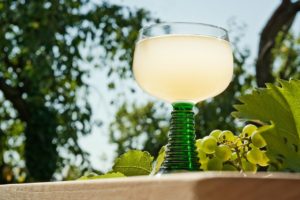
Federweißer sits somewhere between Most and finished wine. It’s still fermenting, which means the yeast hasn’t yet consumed all the natural sugars. That’s why it tastes sweet, with a gentle fizz and a well-balanced blend of acidity and alcohol. Over time, especially if left at room temperature, the sweetness fades, the flavour sharpens, and the alcohol content rises. Its cloudy appearance comes from active yeast in suspension, and when poured, it forms a delicate foam at the top.

Where to find Federweißer

Interesting facts

01.

Limited availability

Federweißer is one of Germany’s most fleeting seasonal pleasures. You’ll find it only for a few short weeks, starting as early as late August and usually disappearing by mid-October. This lightly fermented grape must is essentially wine-in-progress—still cloudy, still bubbling, and very much alive.

02.

Fermentation

Federweißer is alive—quite literally. The fermentation continues even after bottling, which is why it’s always sold with a loose cap to let gases escape. If you want to slow things down (and avoid a fizzy explosion), keep the bottle upright in the fridge. The cold helps pause the fermentation and keeps the sweetness balanced a little longer. But drink it soon—this young wine waits for no one!

03.

Alcohol Content

Don’t let the sweet, fruity taste fool you—Federweißer packs a punch. With an alcohol content of around 5% by volume (and climbing as it continues to ferment), it’s on par with a beer, but goes down a whole lot easier. That’s why it’s best enjoyed slowly, preferably with a savory snack to soak up the sparkle. One glass too many and you might just feel like it’s harvest time in your head the next morning!

04.

It's a German-Austrian-Swiss thing

While it’s most common in German wine regions like the Pfalz, Rheinhessen, and Baden, you’ll also find similar versions across the border – in Austria it's called Sturm, and in Switzerland, Sauser.

Great accompaniments

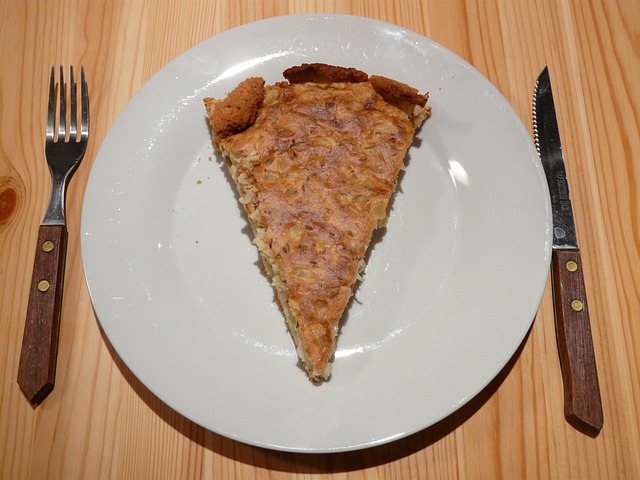
Zwiebelkuchen

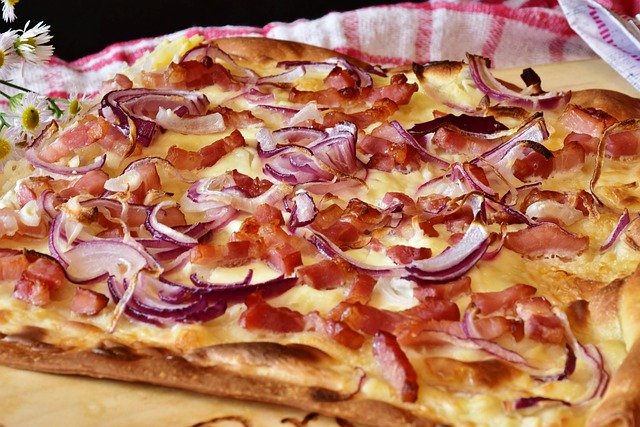
Zwiebelkuchen – that hearty, savoury onion tart – is a classic pairing with Federweißer. Its rich, caramelised onion and smoky bacon filling perfectly complements the young wine’s fruity sparkle.

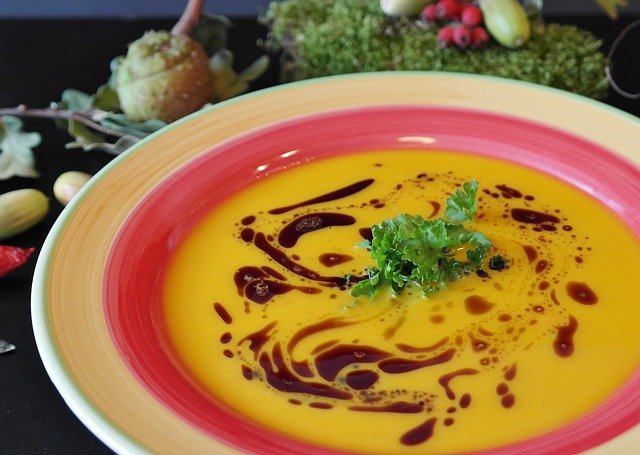
Pumpkin Soup

The golden hug in a bowl. Creamy, gently spiced, and soul-soothing, this autumn favourite brings cosy vibes with every spoonful. Whether topped with a swirl of cream or a sprinkle of roasted seeds, it’s pure comfort, no matter how grey the day.

Flammkuchen

 Think of it as the Alsatian cousin of pizza: a paper-thin crust topped with crème fraîche, onions, and bacon, then baked to crispy perfection. Light, savoury, and endlessly snackable – it’s the kind of dish that wins hearts one crunchy bite at a time.

Mettbrötchen

A true German delicacy of finely seasoned raw minced pork on a fresh, crusty roll, often topped with a few slices of onion. It might sound bold, but give it a try – it’s surprisingly mild, melt-in-the-mouth delicious, and a local favourite for a reason!

More about Most

🍇 What it is: A broader term that simply means “must” – freshly pressed fruit juice (often apples or grapes), before or during fermentation. It is common in Austria, parts of southern Germany, and Switzerland.
💬 Confusion alert: In Austria or Switzerland, Most often means the fully fermented, slightly sour drink made from apples or pears — much stronger and drier than Federweißer.

🍎 Types:

  • Apple Most (Apfelmost): Fermented apple juice – like a rustic cider.
  • Traubenmost: Grape must can be sweet (unfermented) or alcoholic (fermented).

Related content

Besenwirtschaft

Besenwirtschaft A different type of Gemütlichkeit awaits you at Besen. It is a wonderful way to meet up with friends. A Besenwirtschaft, also known as a Strausswirtschaft, Strausse, Besenschänke or just plain Besen, is a seasonal wine tavern popular in the wine-growing areas of Germany.Most Besens are only open for a short period in late autumn and early winter. By law, they can be open for a maximum of 4 months. Some are now open

Read More »

Pumpkins

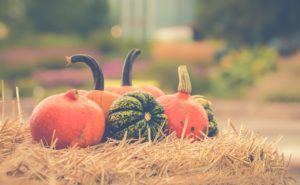
Experience Kürbiszeit: Germany’s Pumpkin Season From July to January, Germany ushers in Kürbiszeit.  A season where pumpkins of every shape and shade take centre stage. Markets brim with vibrant varieties from deep orange Hokkaido to curious Spaghetti squash and decorative Turban gourds. It’s not just about soups and stews, this is a time of festivals, farm visits, and cosy traditions that stretch from sun-drenched late summer to the frost-kissed heart of winter. For those new to

Read More »

Raclette

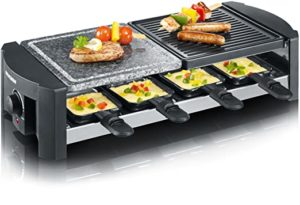
The summer months are gone, and for most of us, it is too cold to have a braai with our friends. A great alternative is to have a Raclette party at home.For those who are not familiar with Raclette, it is a dish originating from Switzerland. The history behind the dish is that peasants and cow herders in the Alpine regions carried cheese with them. In the evening the cheese would be placed next to

Read More »